Foods / Millets
Indian Millets
The short answer
Millets are a group of small-seeded cereal grasses that have fed India for centuries. India grows and eats many distinct millets, not one generic 'millet'. Each has its own name in every language, its own texture, its own kitchen habits and its own nutrition profile. This hub introduces all nine and links to a full page for each.
Last reviewed:
The nine millets of India
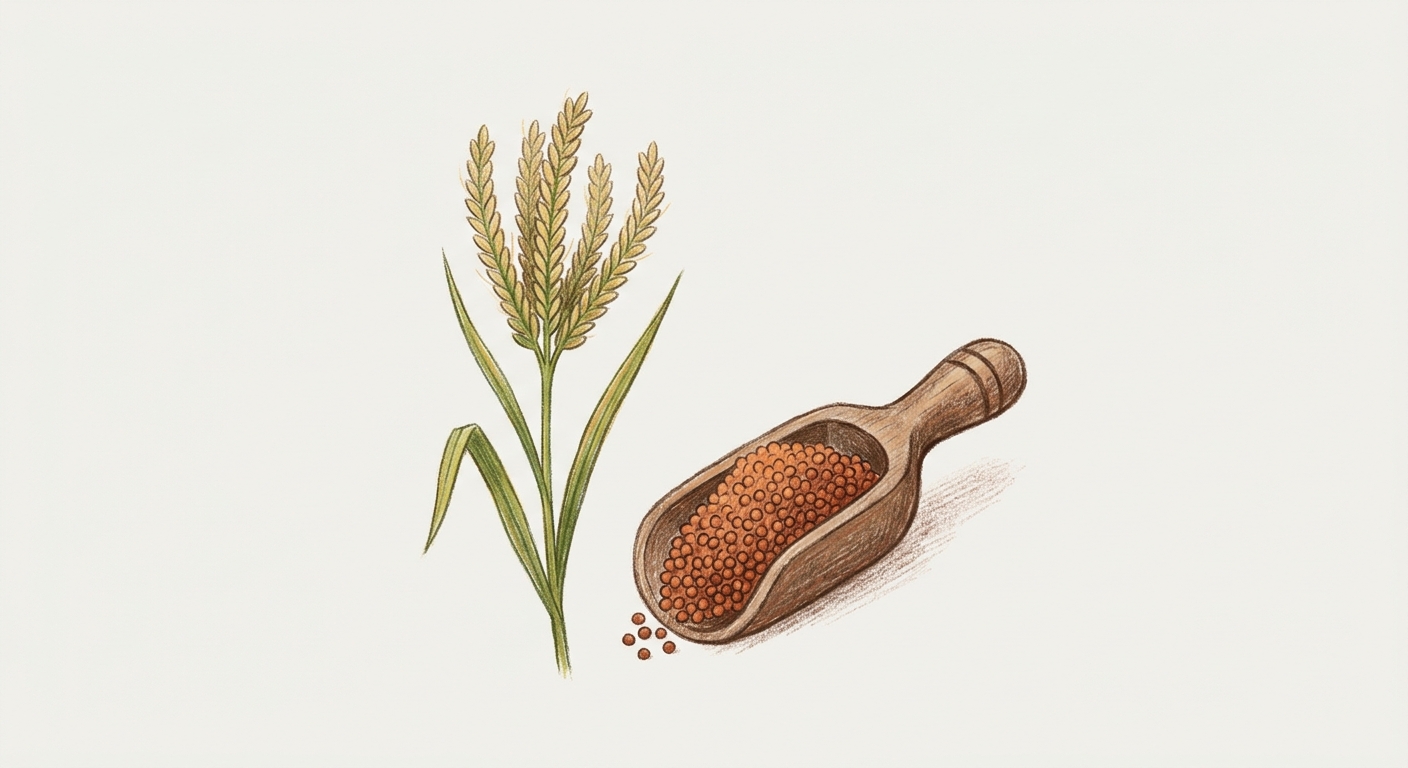
Finger millet
Ragi
The small deep-red grain behind ragi mudde, malt and bhakri.
Know this food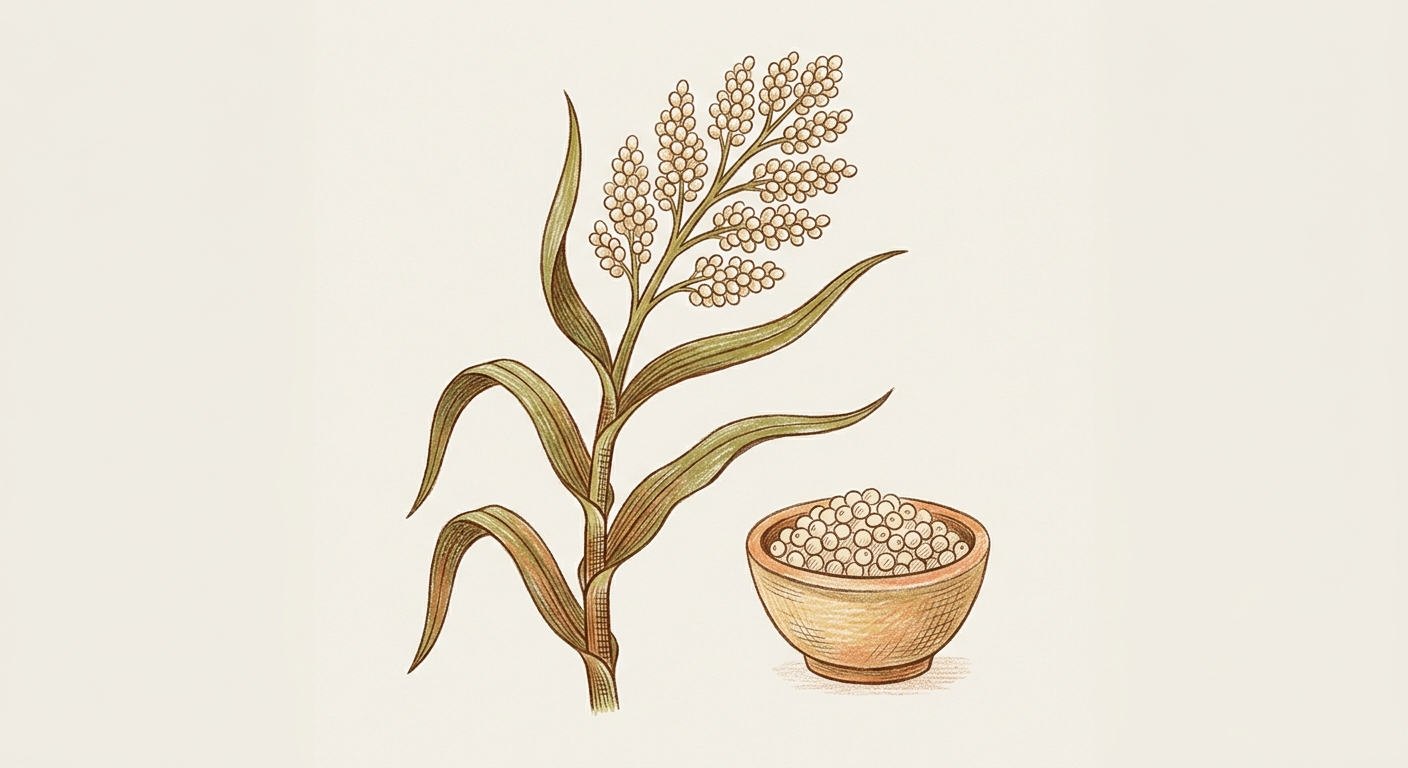
Sorghum / great millet
Jowar
The drought-hardy grain of bhakri country, Maharashtra, Karnataka and the Deccan.
Know this food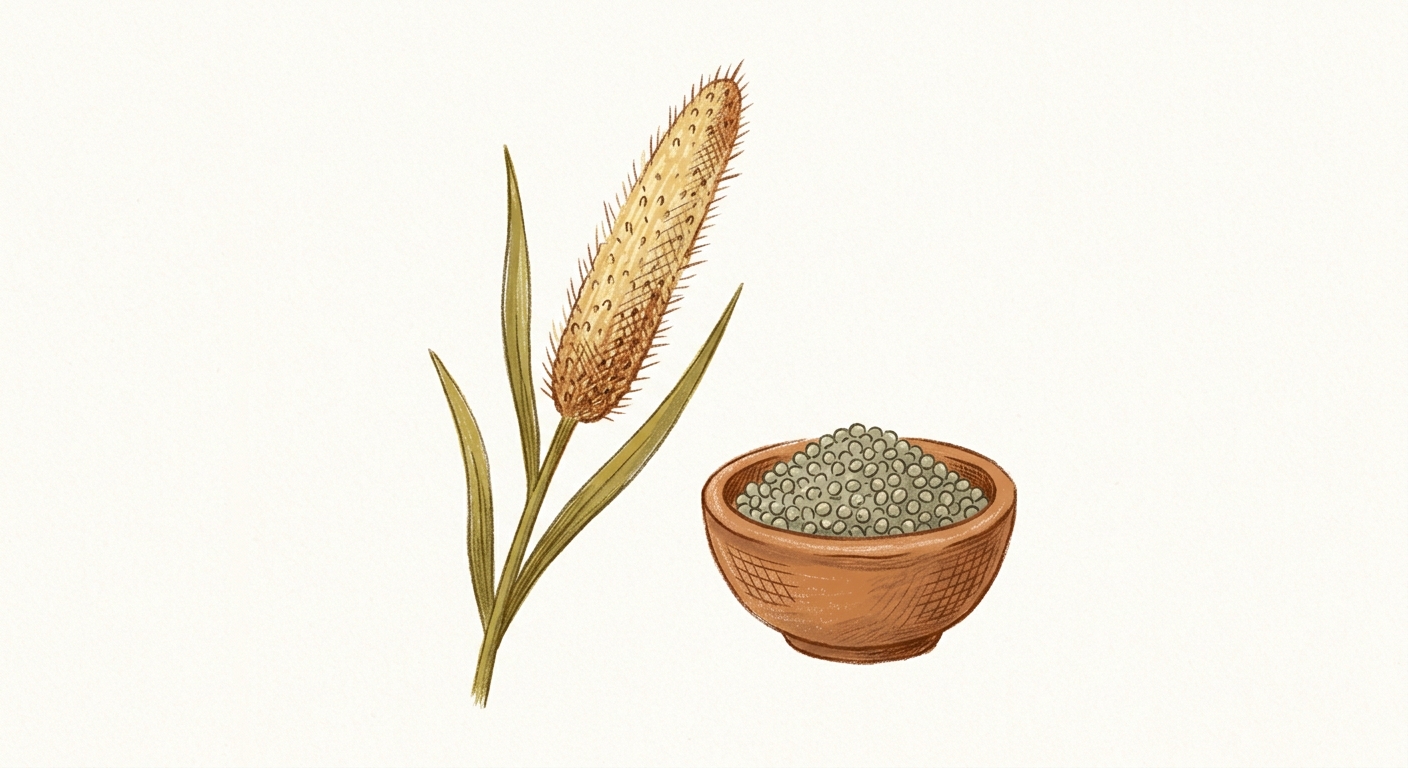
Pearl millet
Bajra
The hearty winter grain of Rajasthan, Gujarat and Haryana.
Know this food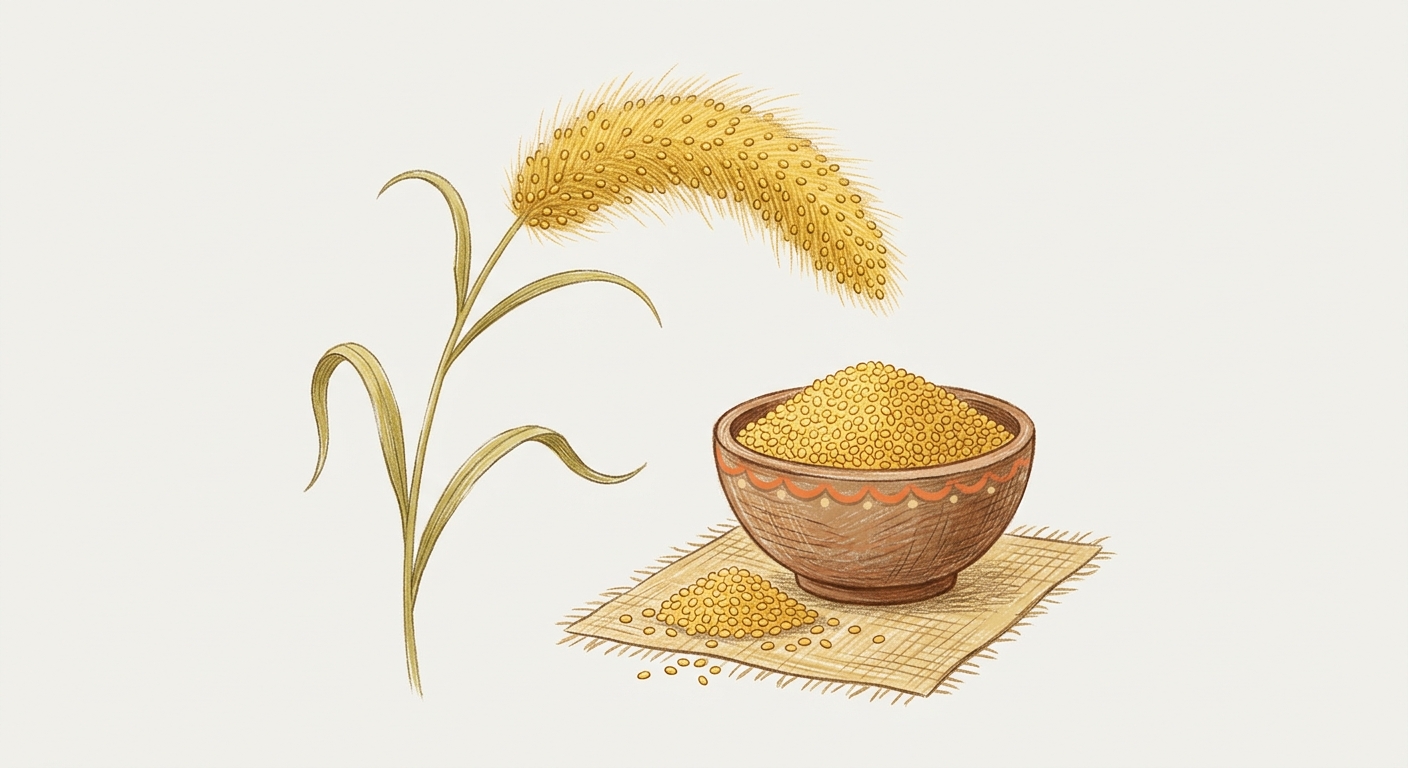
Kangni / Thinai
Foxtail Millet
One of the oldest cultivated millets, small golden grains for pongal, upma and rice-style cooking.
Know this food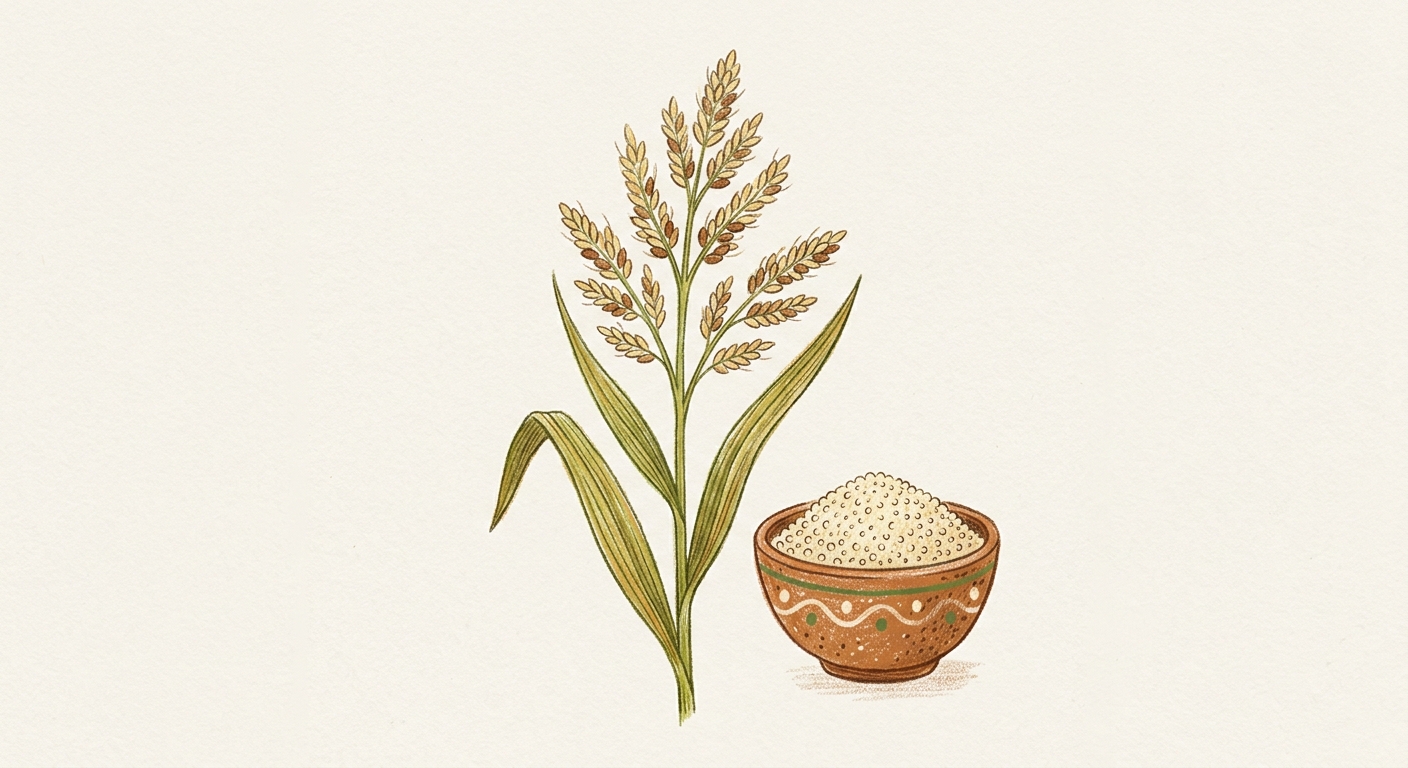
Sanwa / Samak
Barnyard Millet
The fasting grain, bhagar and samak khichdi belong to this millet.
Know this food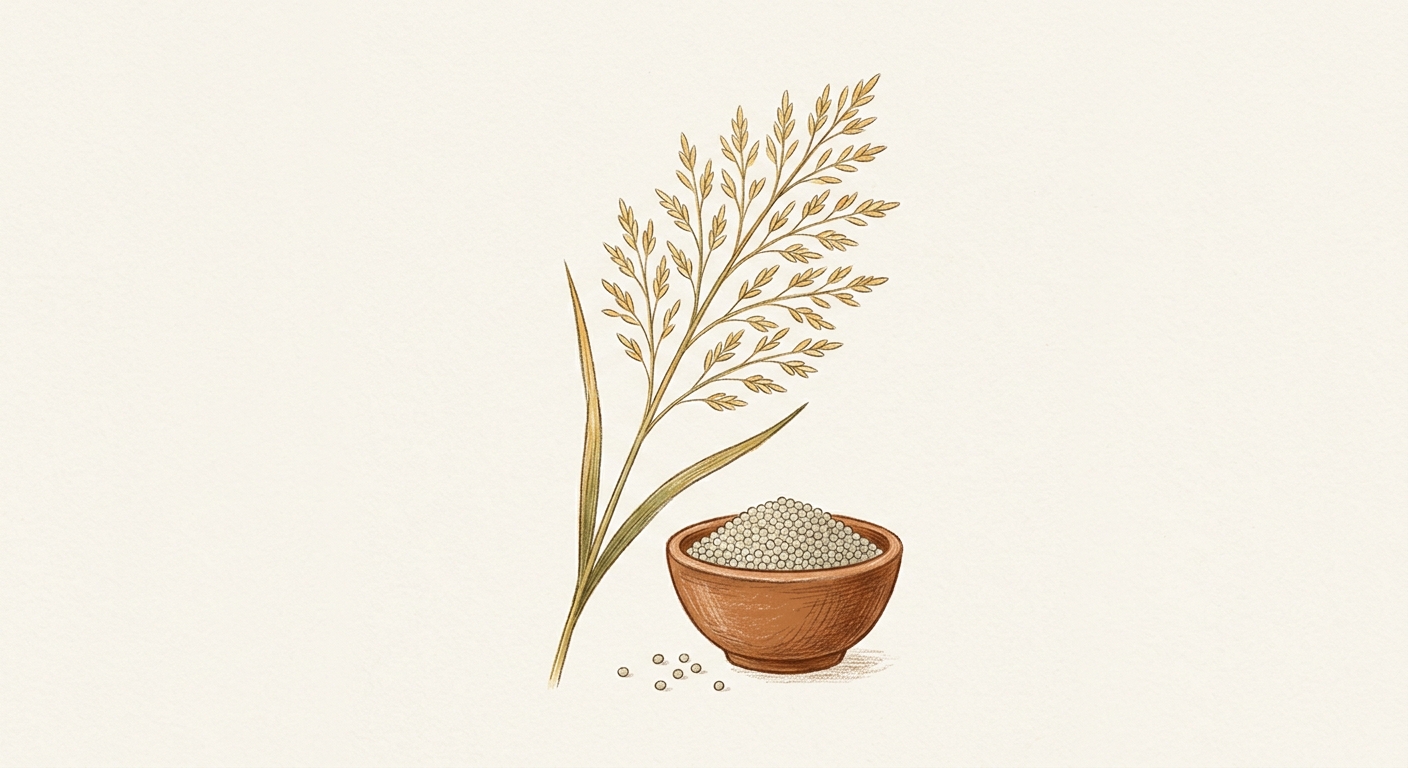
Kutki / Samai
Little Millet
Small name, quiet workhorse, samai upma and pongal are made from this grain.
Know this food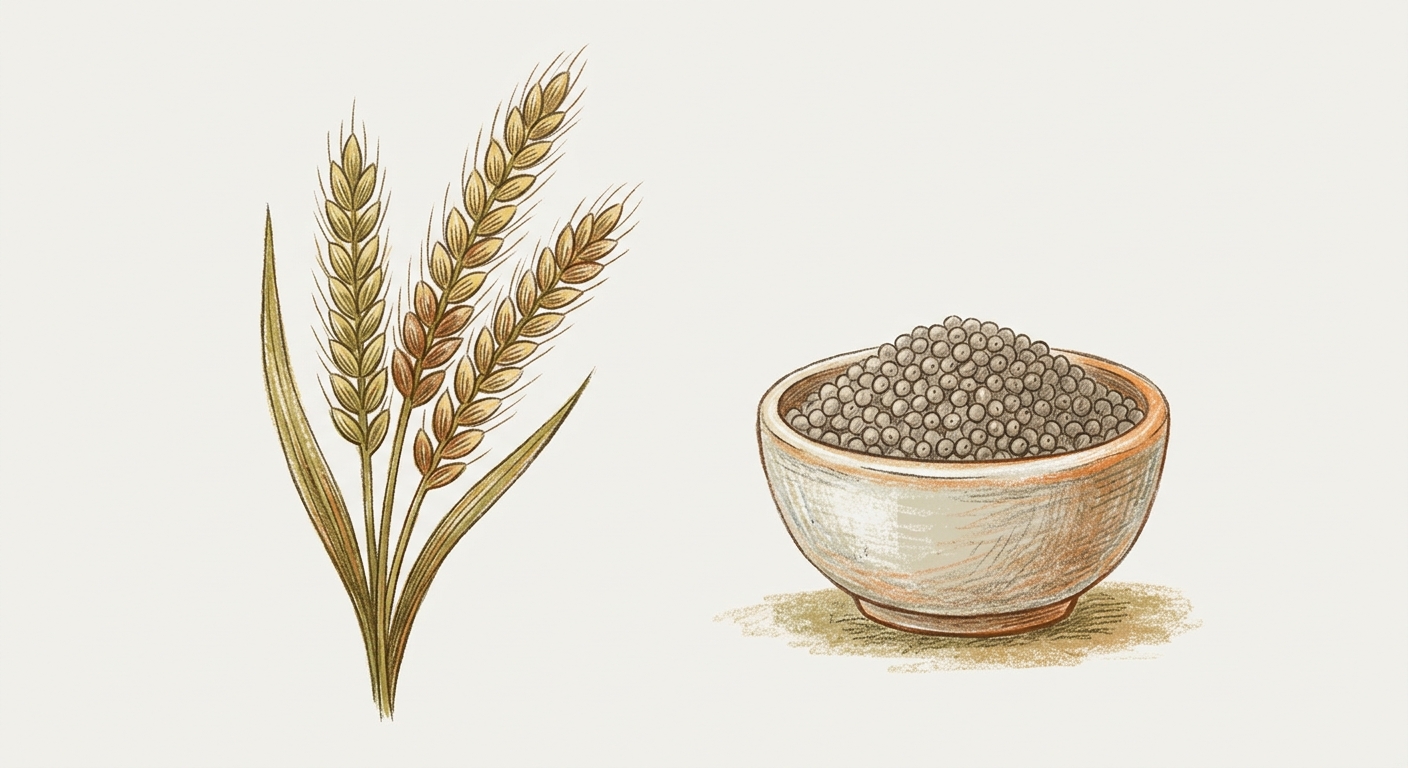
Kodon / Varagu
Kodo Millet
An ancient Deccan grain, still cooked as varagu arisi in Tamil kitchens.
Know this food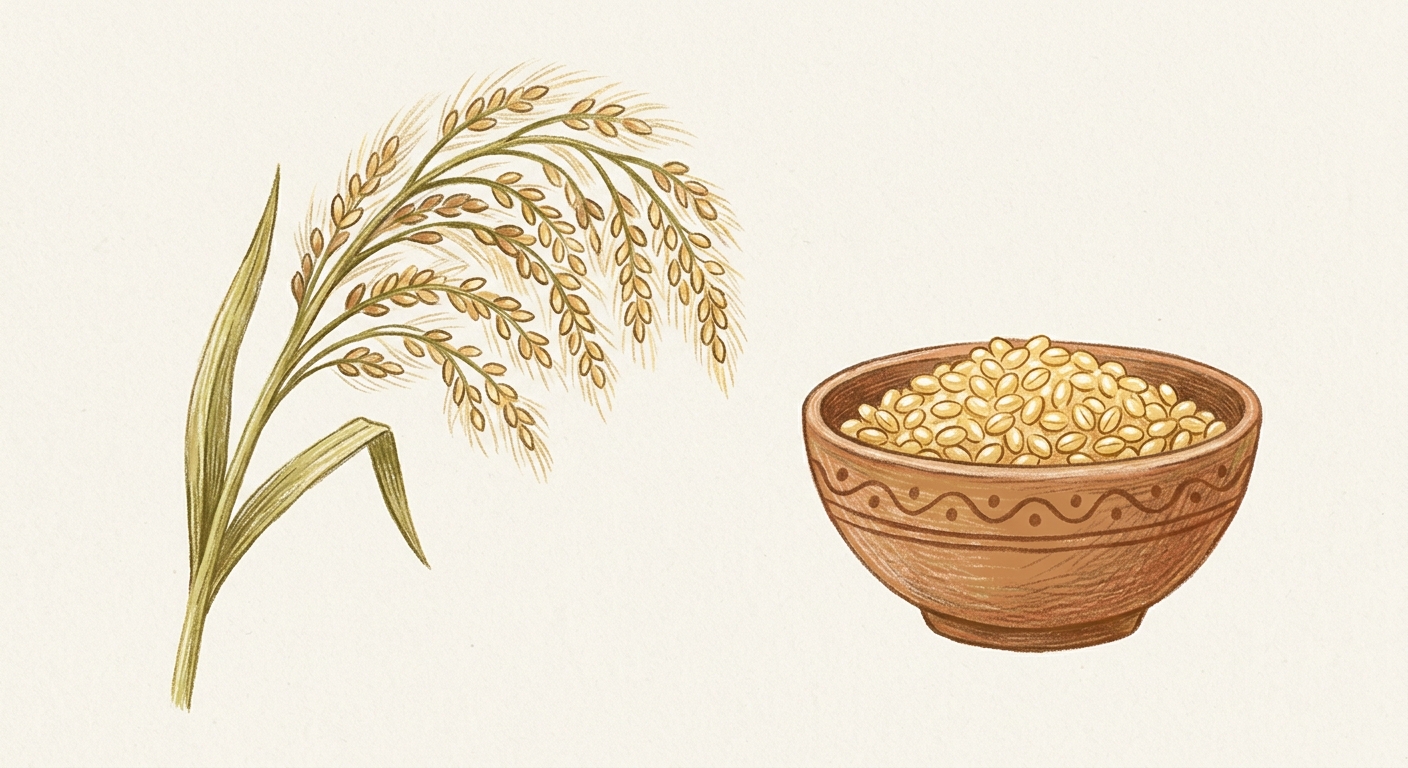
Chena / Common millet
Proso Millet
One of humanity's oldest grains, known in India as chena and panivaragu.
Know this food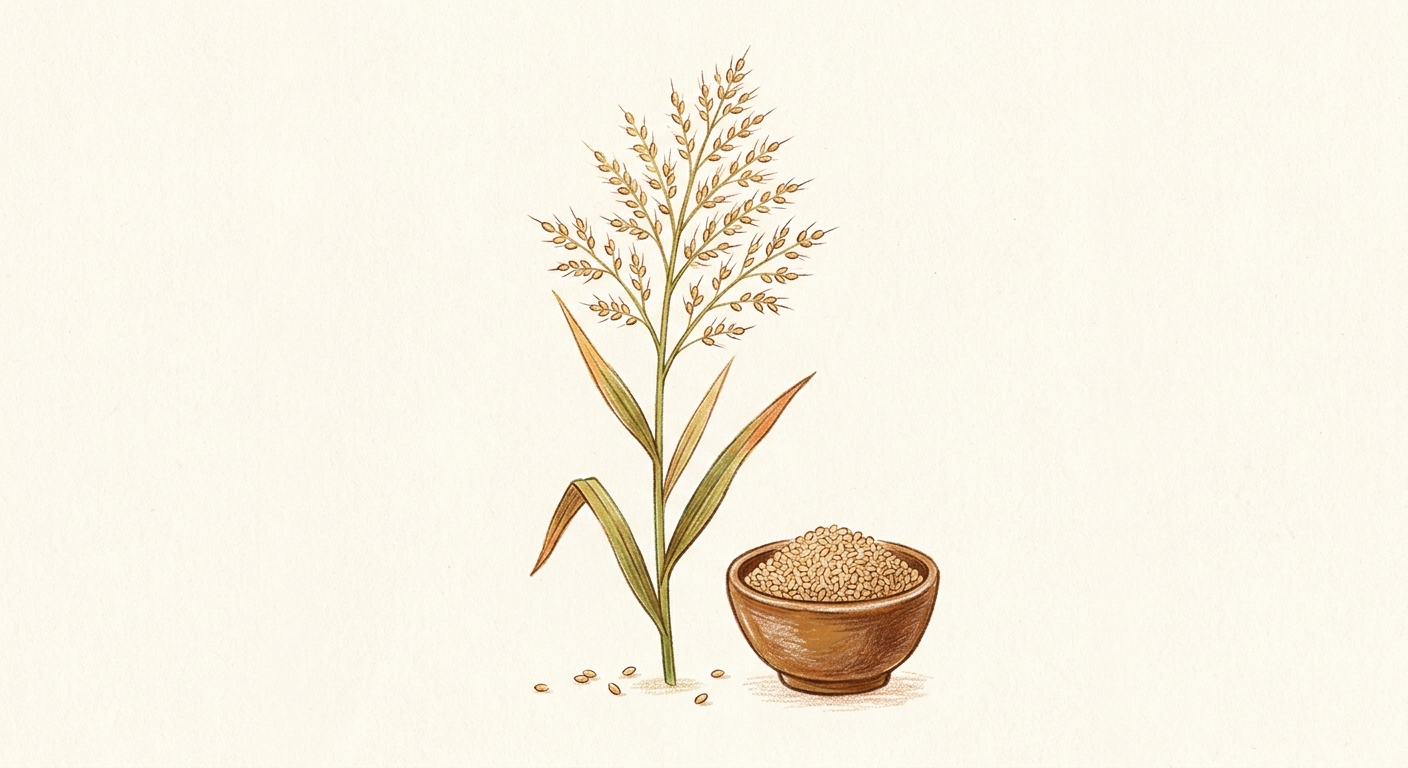
Korale
Browntop Millet
The least-known of India's cultivated millets, we are careful about what we claim about it.
Know this foodWhat are Indian millets?
'Millet' is not a single plant. It is a practical label for several unrelated small-grained cereals, sorghum (jowar), pearl millet (bajra), finger millet (ragi) and the 'small millets' such as foxtail, barnyard, little, kodo, proso and browntop. They share traits: hardy crops, short growing seasons, tolerance of dry land, and grains usually eaten whole.
Because they are different species, their nutrition differs too. Any statement about 'millets' as one food should be treated with suspicion, including ours.
Are all millets nutritionally the same?
No. Ragi is notable for calcium, bajra and little millet for iron, foxtail and proso for protein among the millets, based on IFCT 2017 lab numbers. Fibre varies too, from around 2 g per 100 g in proso to around 11 g in bajra and ragi. Choosing 'a millet' is really choosing between nine different foods.
How are millets used in Indian food?
Three broad ways. As flour, bhakri, rotla, mudde, dosa. As whole grain, cooked like rice in pongal, khichdi, upma and pulao. And as porridge or malt, ambali, raab, koozh. Most Indian kitchens already have millet grammar; modern millet cooking mostly re-learns it.
How should someone choose a millet?
Start from the dish, not the nutrient chart. Want rice-like grains? Try foxtail, little, barnyard or kodo. Want flatbreads? Jowar and bajra flours. Porridge or malt? Ragi. Then look at the nutrition tables on each page and pick what fits your kitchen. Variety across grains beats loyalty to one.
A note on umbrella terms like 'siridhanya' and 'positive millets'
In Karnataka you will hear the small millets called siridhanya, 'rich grains'. Elsewhere, marketing language speaks of 'positive', 'neutral' and 'negative' millets, or of miracle grains. These umbrella terms are popular shorthand, not scientific categories, and some carry health claims we cannot verify.
Our practice is simpler: we say 'millet', and then we name the actual grain. Nine different species deserve nine different names, and lumping them together is how both confusion and exaggeration begin.
Go deeper
- Read the Millet Library, the reference desk for the whole millet family.
- Discover forgotten foods, the ones that slipped off the modern plate.
- Read the blog, slow essays about fast-moving food.
Frequently asked questions
How many types of millets are there in India?+
India commonly recognises nine cultivated millets: sorghum (jowar), pearl millet (bajra), finger millet (ragi), foxtail, barnyard, little, kodo, proso and browntop millet.
Which millet is the healthiest?+
There is no scientifically provable single ranking, 'healthiest' depends on which nutrient you compare and what the rest of your diet looks like. We publish per-100 g lab tables for each millet so you can compare directly.
Are millets gluten-free?+
Millet grains do not contain gluten-forming proteins. Packaged millet products may be blended with wheat or cross-contaminated, so read labels if you must avoid gluten.