
Explore / Millet Library
The Millet Library
The short answer
The Millet Library is the educational reference for the millet family. The Foods section shows you millets you can buy; the Library shows you millets you can understand, every variety, every verified name, and the numbers side by side.
Last reviewed:
EstablishedExplore the millet family
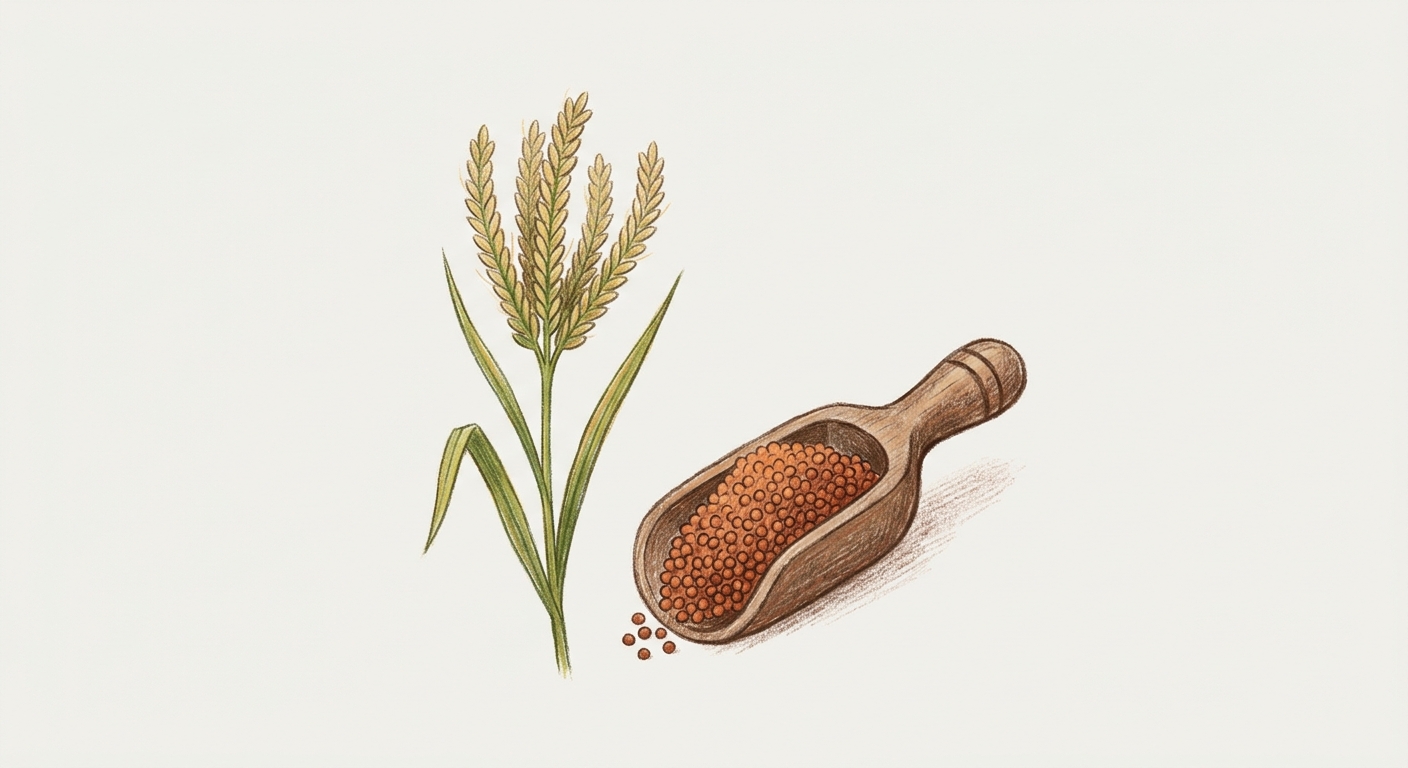
Finger millet
Ragi
The small deep-red grain behind ragi mudde, malt and bhakri.
Know this food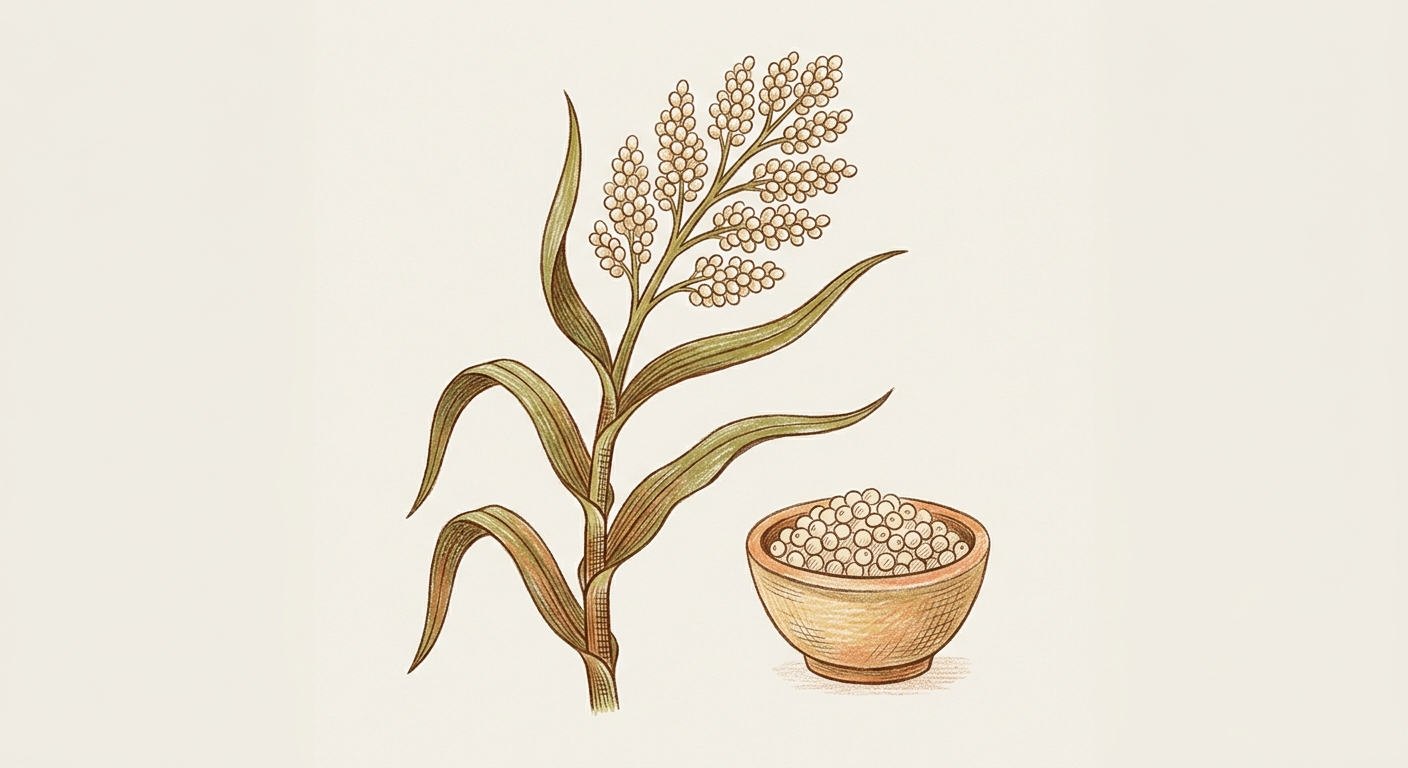
Sorghum / great millet
Jowar
The drought-hardy grain of bhakri country, Maharashtra, Karnataka and the Deccan.
Know this food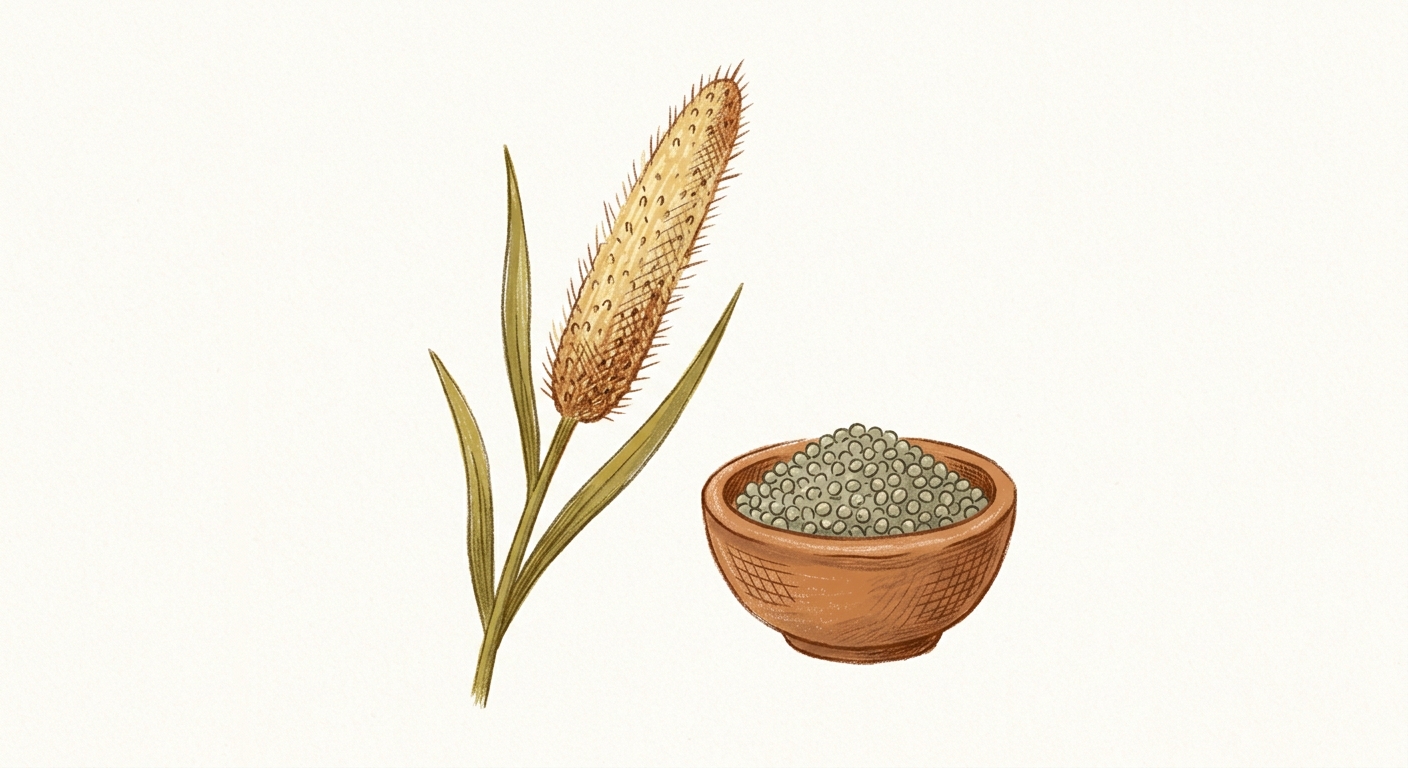
Pearl millet
Bajra
The hearty winter grain of Rajasthan, Gujarat and Haryana.
Know this food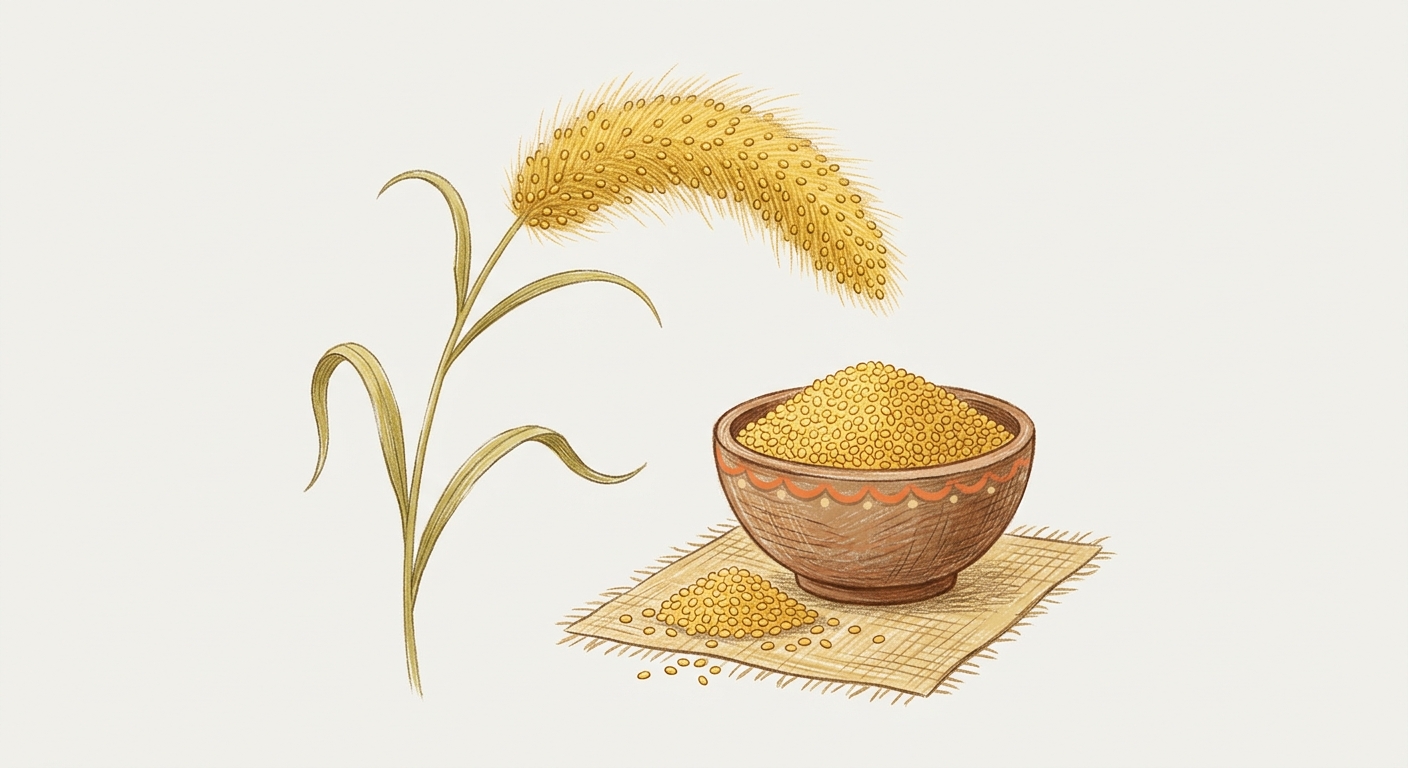
Kangni / Thinai
Foxtail Millet
One of the oldest cultivated millets, small golden grains for pongal, upma and rice-style cooking.
Know this food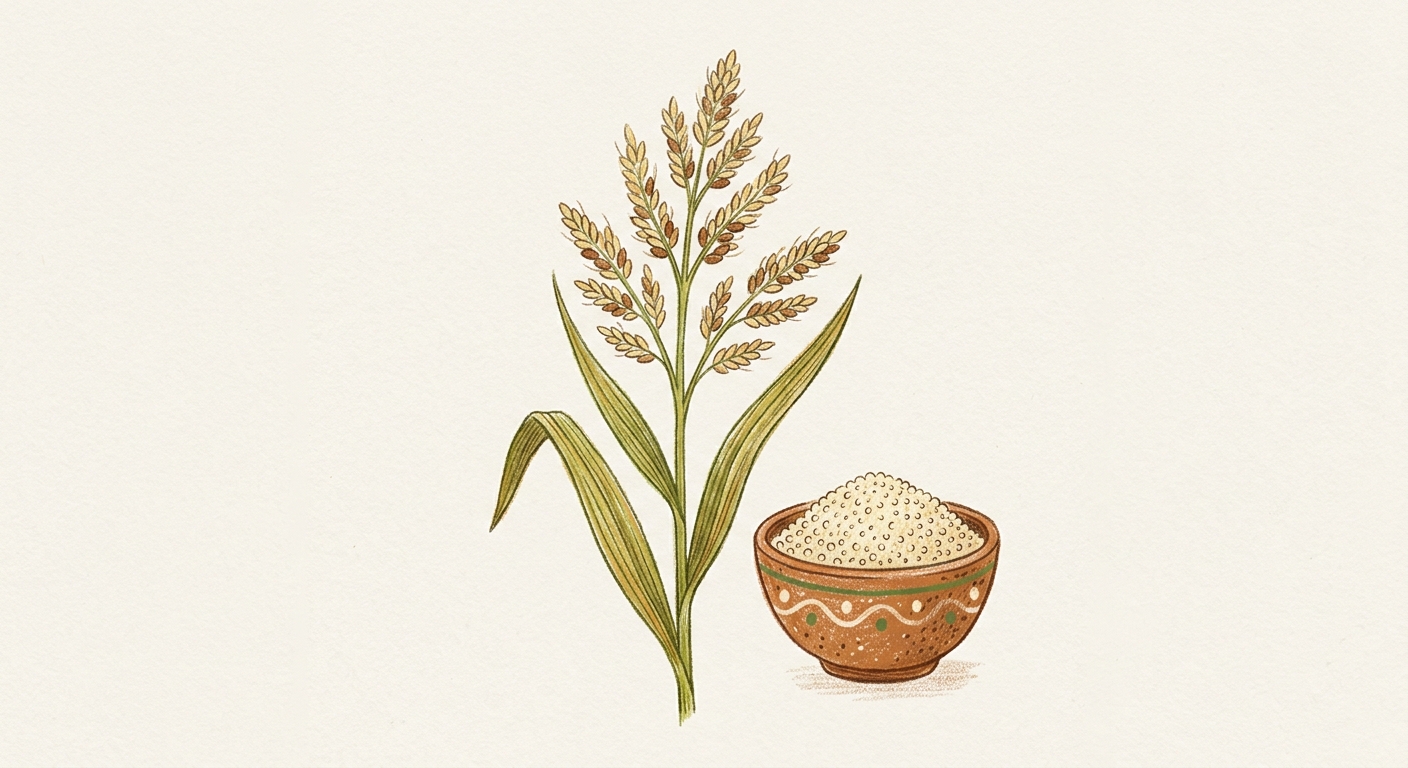
Sanwa / Samak
Barnyard Millet
The fasting grain, bhagar and samak khichdi belong to this millet.
Know this food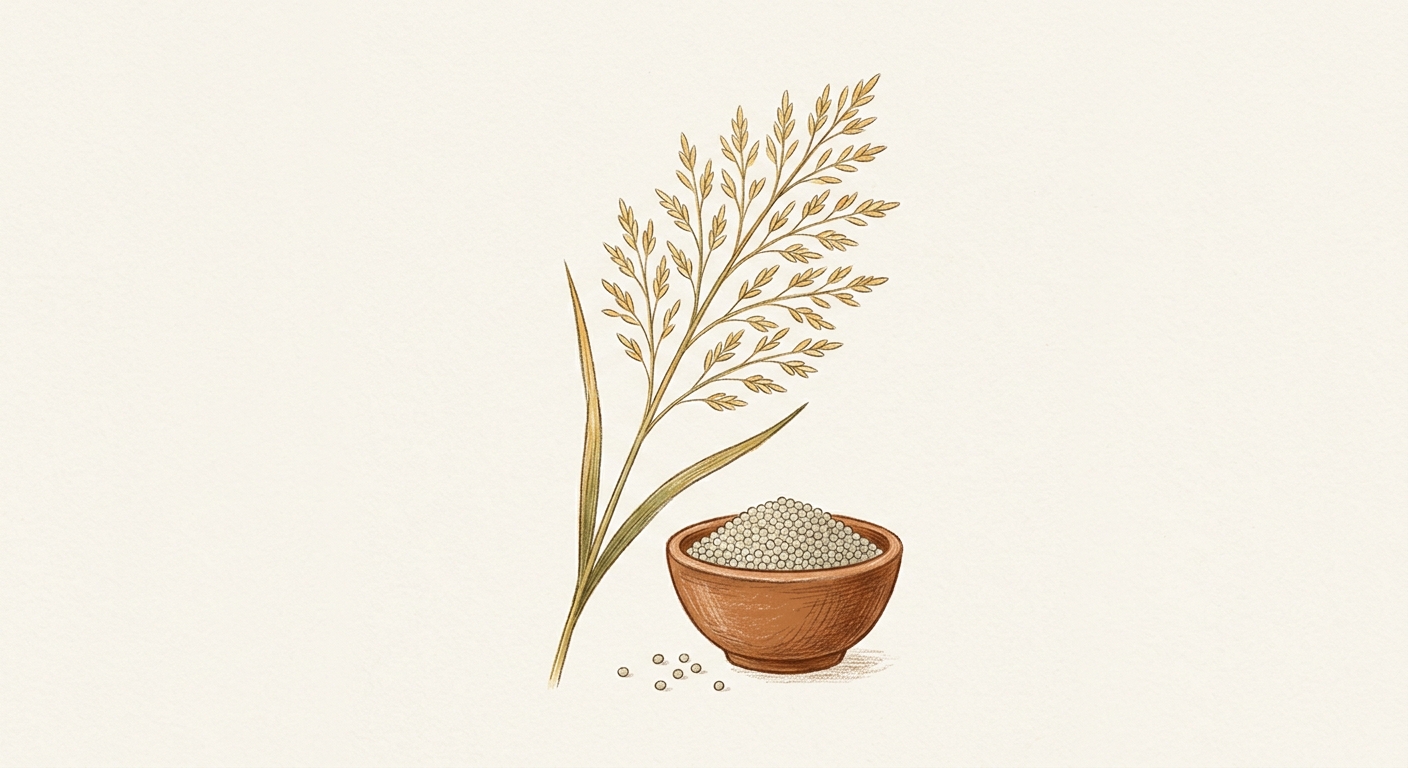
Kutki / Samai
Little Millet
Small name, quiet workhorse, samai upma and pongal are made from this grain.
Know this food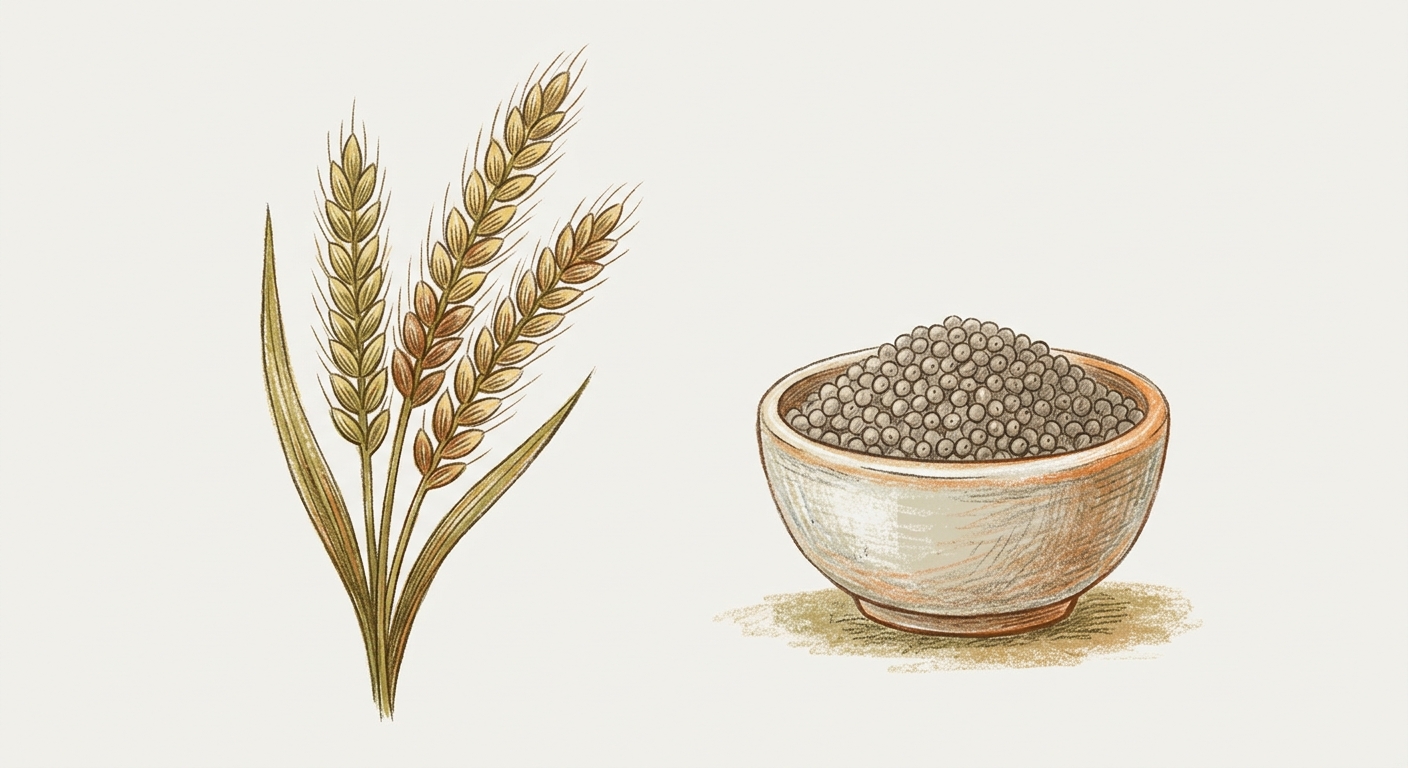
Kodon / Varagu
Kodo Millet
An ancient Deccan grain, still cooked as varagu arisi in Tamil kitchens.
Know this food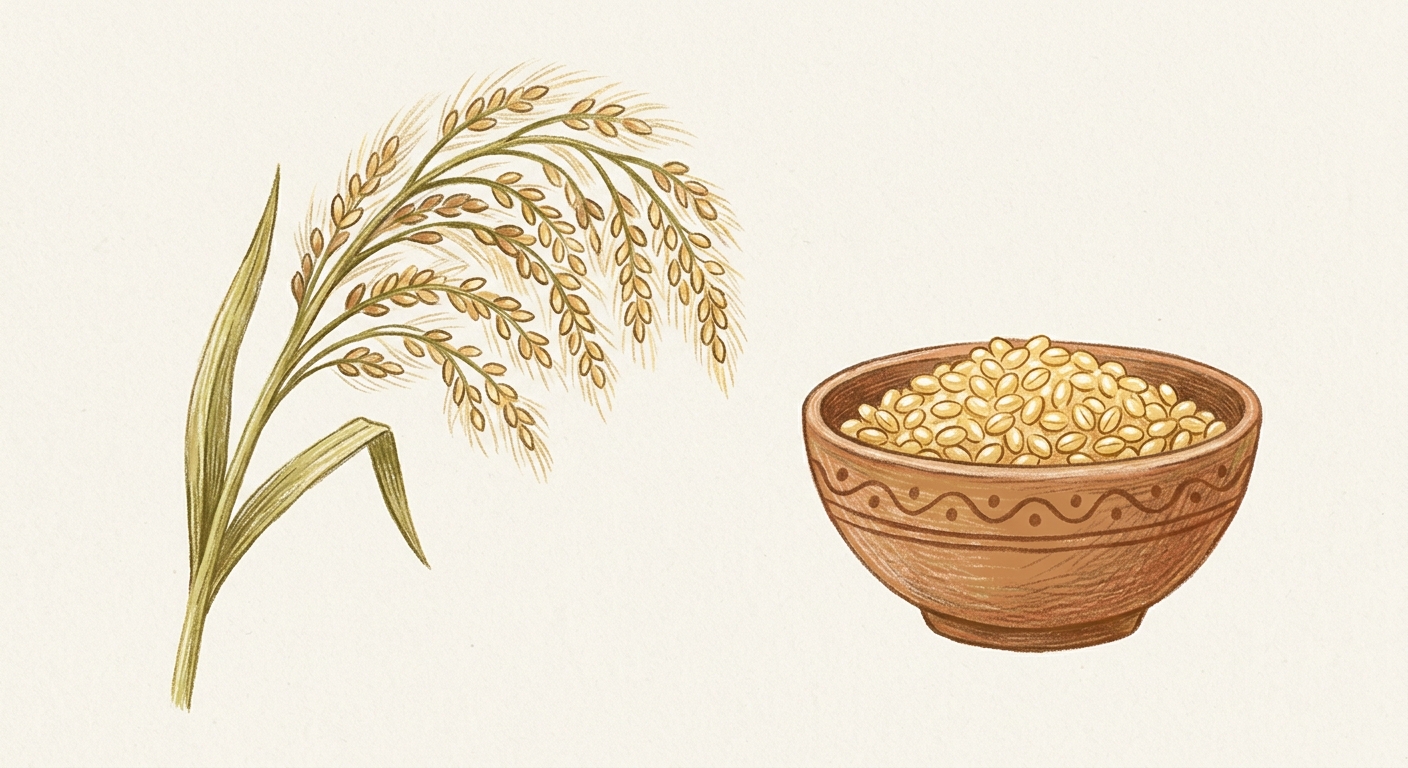
Chena / Common millet
Proso Millet
One of humanity's oldest grains, known in India as chena and panivaragu.
Know this food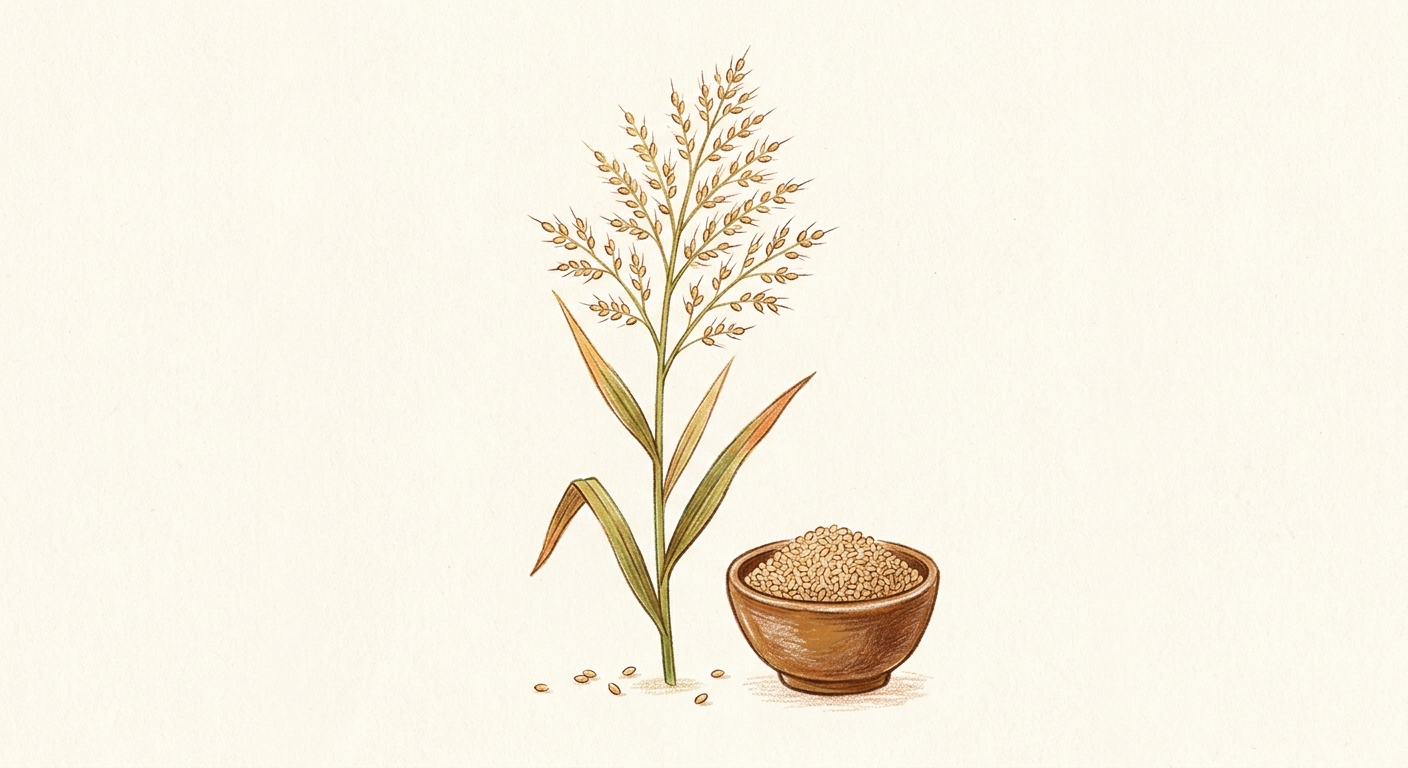
Korale
Browntop Millet
The least-known of India's cultivated millets, we are careful about what we claim about it.
Know this foodIndia has more than one millet
Nine cultivated millets are commonly recognised in India: three major (sorghum, pearl millet, finger millet) and six small millets (foxtail, barnyard, little, kodo, proso, browntop). They are different species with different agronomy, taste and nutrition.
Millet names across India
One grain, many names: foxtail millet is kangni, thinai, korralu, navane and thina depending on where you stand. The Library cross-references every verified name so a recipe from any region can be decoded.
Understanding millet nutrition
Compare like with like: raw grain, per 100 g, from the same source (IFCT 2017). On that basis, ragi leads the common grains on calcium; bajra and little millet are iron-rich; foxtail and proso sit higher on protein; proso is notably lower in fibre than the rest. No single millet wins everything, which is exactly why ranking them is a fool's errand.
How to choose a millet
Match the millet to the dish first, flatbread, rice-substitute or porridge, then to the nutrition you care about, then to what your household will actually eat twice. The best millet is the one that survives contact with your kitchen.
How millets are used
Three grammars cover most of millet cooking. As flour: bhakri, rotla, mudde, dosa, ambali, the Deccan and western traditions. As whole grain: pongal, khichdi, upma, pulao, anywhere rice goes, a small millet can follow. As porridge or malt: raab, koozh, ambali, breakfast and convalescence foods across several regions.
Once you see the three grammars, 'what do I do with this millet?' stops being a research project. Match the grain to the grammar and cook.
Frequently asked questions
Which millet is high in protein?+
On IFCT 2017 raw-grain figures, proso (~12.5 g) and foxtail (~12.3 g) per 100 g are on the higher side among millets. 'High' here means relative to other grains, per 100 g raw, not a serving-level or health claim.
Which millet is high in fibre?+
Bajra and ragi (both around 11 g per 100 g raw) and barnyard (~9.8 g) are the fibre-heavier millets in IFCT 2017; proso is the notable exception at around 2 g.
Which millet is highest in calcium?+
Ragi, by a wide margin among common grains, about 344 mg per 100 g in IFCT 2017, roughly an order of magnitude above most cereals.
What is the healthiest millet?+
There is no provable single answer. 'Healthiest' would require one agreed metric, one agreed serving context and outcome evidence that lab tables cannot provide. Compare the numbers; eat a variety.
Keep exploring
- Forgotten Food, Foods that fell off the modern plate — documented one by one.
- Blog, Essays, notes and stories from the Pure Platter kitchen.