
Foods / Traditional Foods
Traditional Foods of India
The short answer
A traditional food is one that a community has cooked and eaten across generations, documented in practice, not just in marketing. India has hundreds of them: grains, ferments, greens, sweets and preservation techniques that predate packaged food by centuries. This page is our map of that territory, built slowly and only on checkable ground.
Last reviewed:
What makes a food traditional?
Continuity of use, a community that still cooks it, and documentation, in cookbooks, agricultural records, linguistic evidence or research. 'Ancient' is a word we avoid unless the specific historical claim can be sourced. Most foods don't need the exaggeration; their real history is interesting enough.
Traditional grains
Millets are the clearest example: grains that fed large parts of India for centuries before rice and wheat dominated the modern plate. Each millet's page in our Foods section documents names, regions and uses.
Regional food traditions
India is not one food culture. The same grain is bhakri in Maharashtra, rotti in Karnataka and koozh in Tamil Nadu. We record regional practice region by region, and we never merge them into a single national story for convenience.
Tradition and modern food
Tradition is not automatically right, and modern processing is not automatically wrong. Fermentation, sun-drying and stone-milling are traditional techniques with real, explicable effects; so are some industrial ones. We evaluate practices on evidence, not on age.
Understanding food heritage
Food heritage is practice plus memory: the dish itself, the technique, the occasions it belongs to, and the people who still make it. Documentation can come from cookbooks and agricultural records, from linguistic evidence, from research, and from the communities themselves, and these sources don't always agree. When they don't, we say so.
What heritage is not: a marketing age. 'Ancient' attached to a food without a specific, sourced historical claim tells you nothing except that someone wants you to feel something.
What we're documenting first
Our first documentation territory is millet-based preparation: the rotis and bhakris of Maharashtra and Karnataka, the muddes and ambalis of the south, the rotlas and raabs of the west, the fermented porridges of Tamil Nadu. These are living traditions with observable, recordable practice, the right place to build a documentation habit before reaching for rarer foods.
Frequently asked questions
What are traditional Indian foods?+
Foods with documented, multi-generational use in an Indian region or community, from millet flatbreads and fermented porridges to regional greens and preserves.
Is traditional food always healthier?+
No. Tradition tells you a food survived and suited its context. Whether it fits your diet today is a separate, nutritional question. We keep the two questions separate on purpose.
Start with the millets
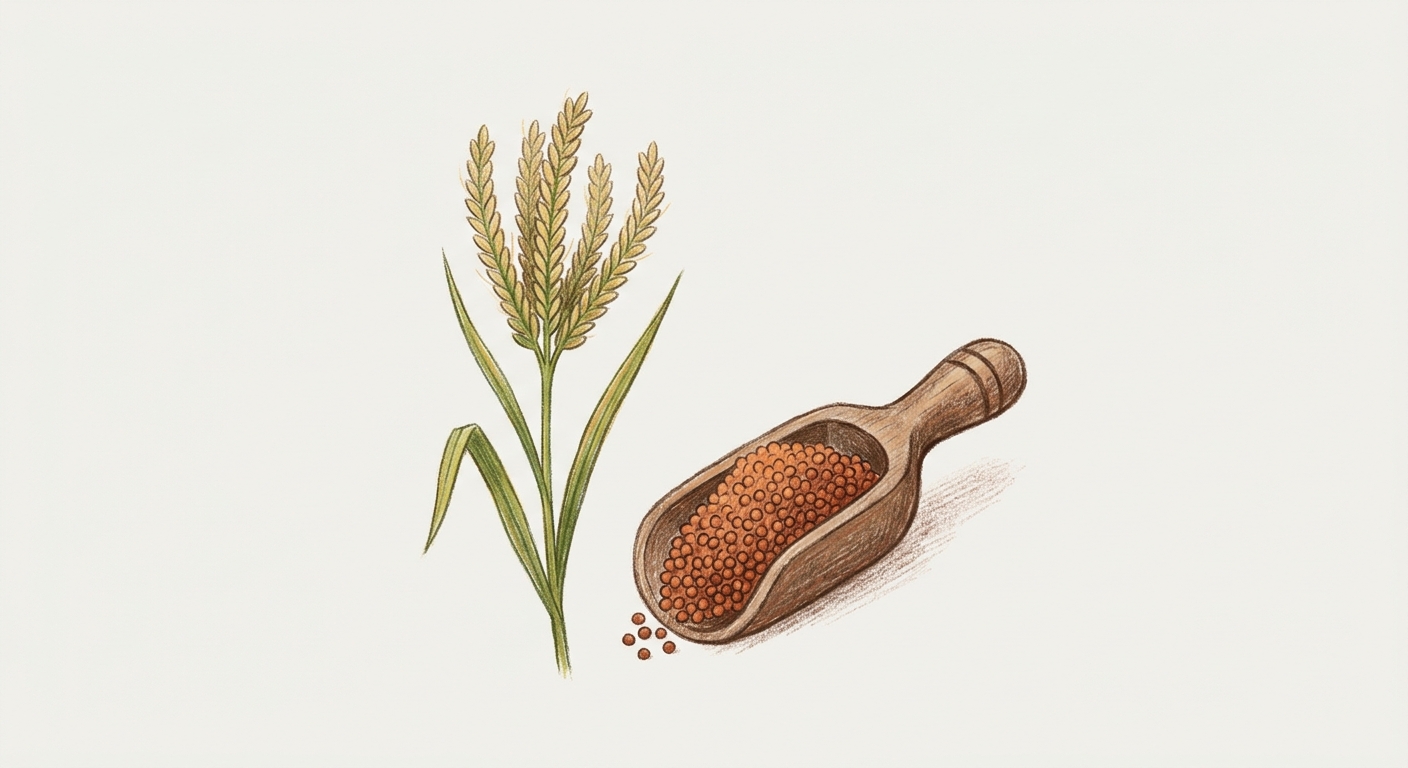
Finger millet
Ragi
The small deep-red grain behind ragi mudde, malt and bhakri.
Know this food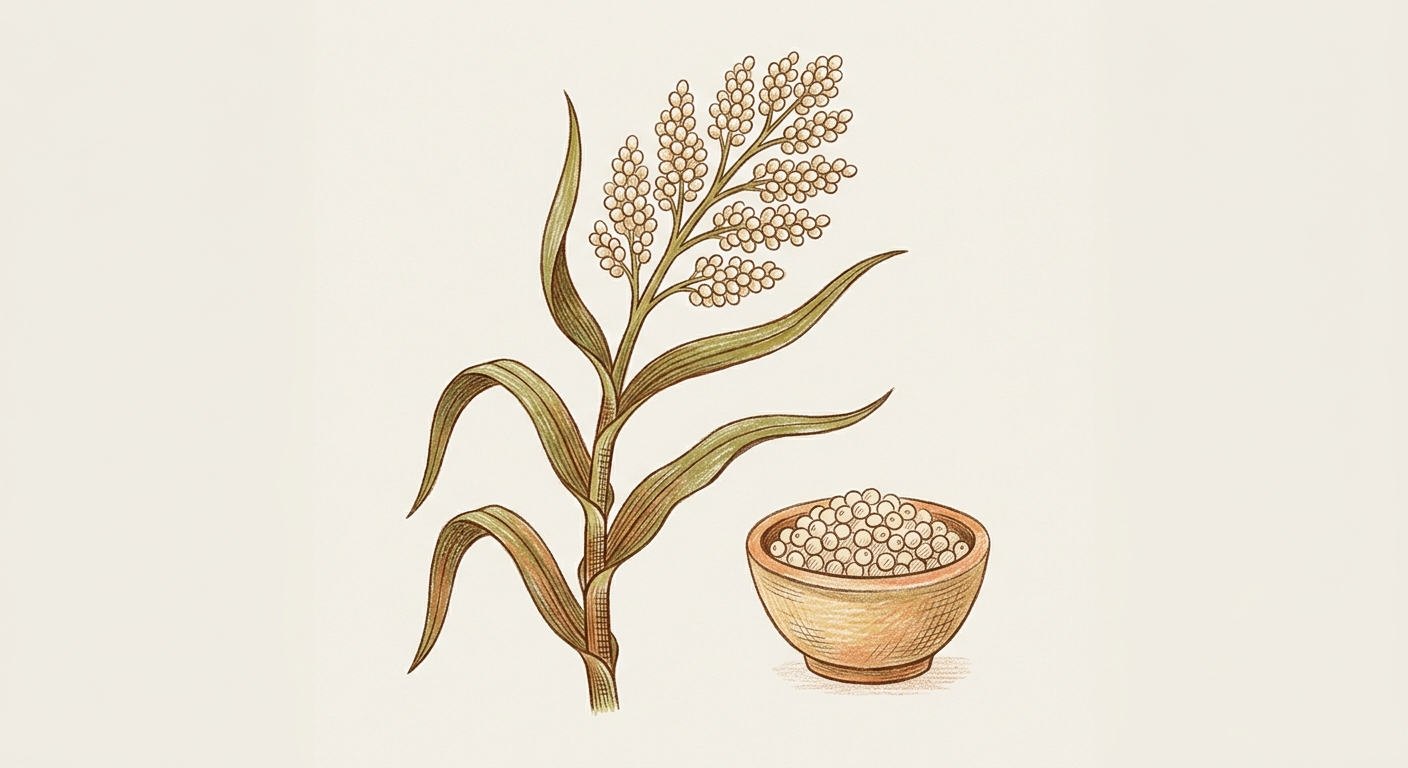
Sorghum / great millet
Jowar
The drought-hardy grain of bhakri country, Maharashtra, Karnataka and the Deccan.
Know this food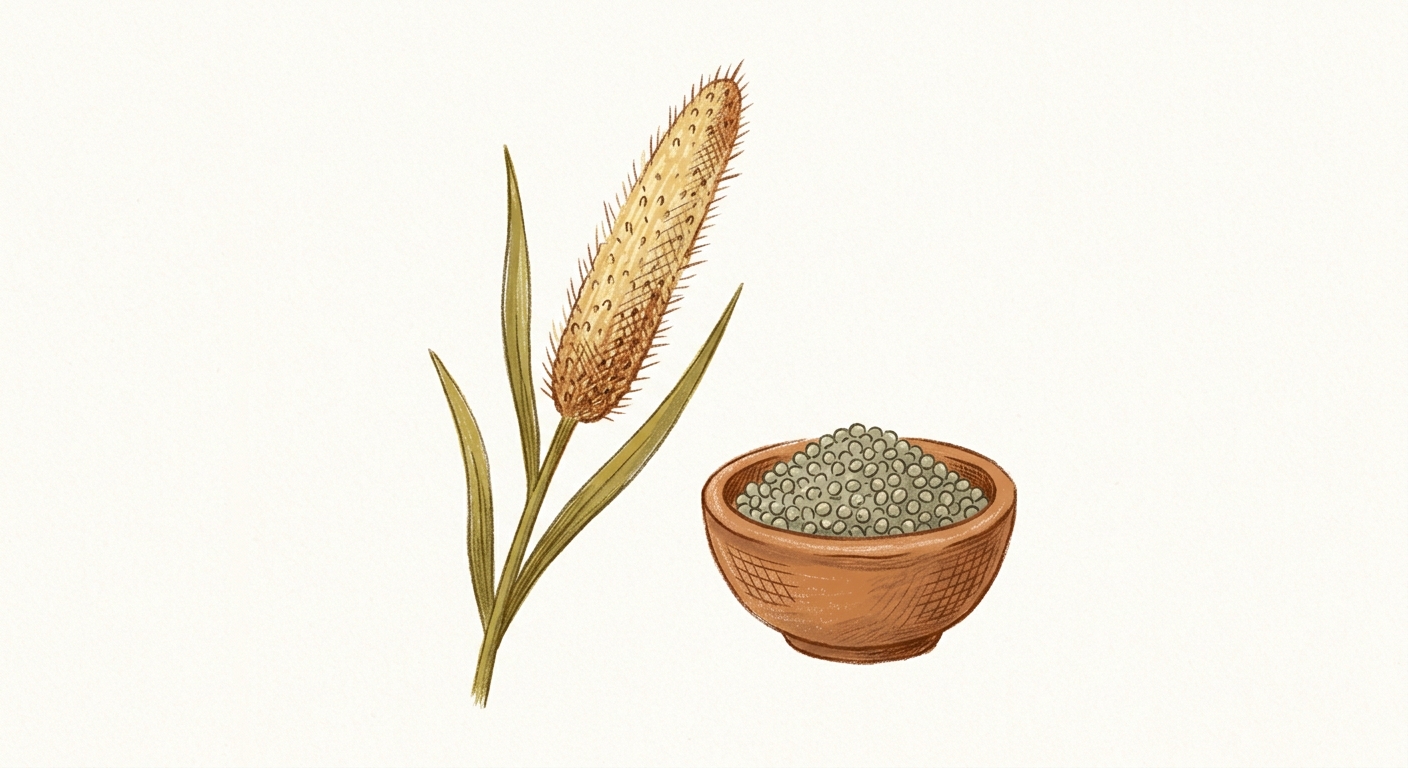
Pearl millet
Bajra
The hearty winter grain of Rajasthan, Gujarat and Haryana.
Know this food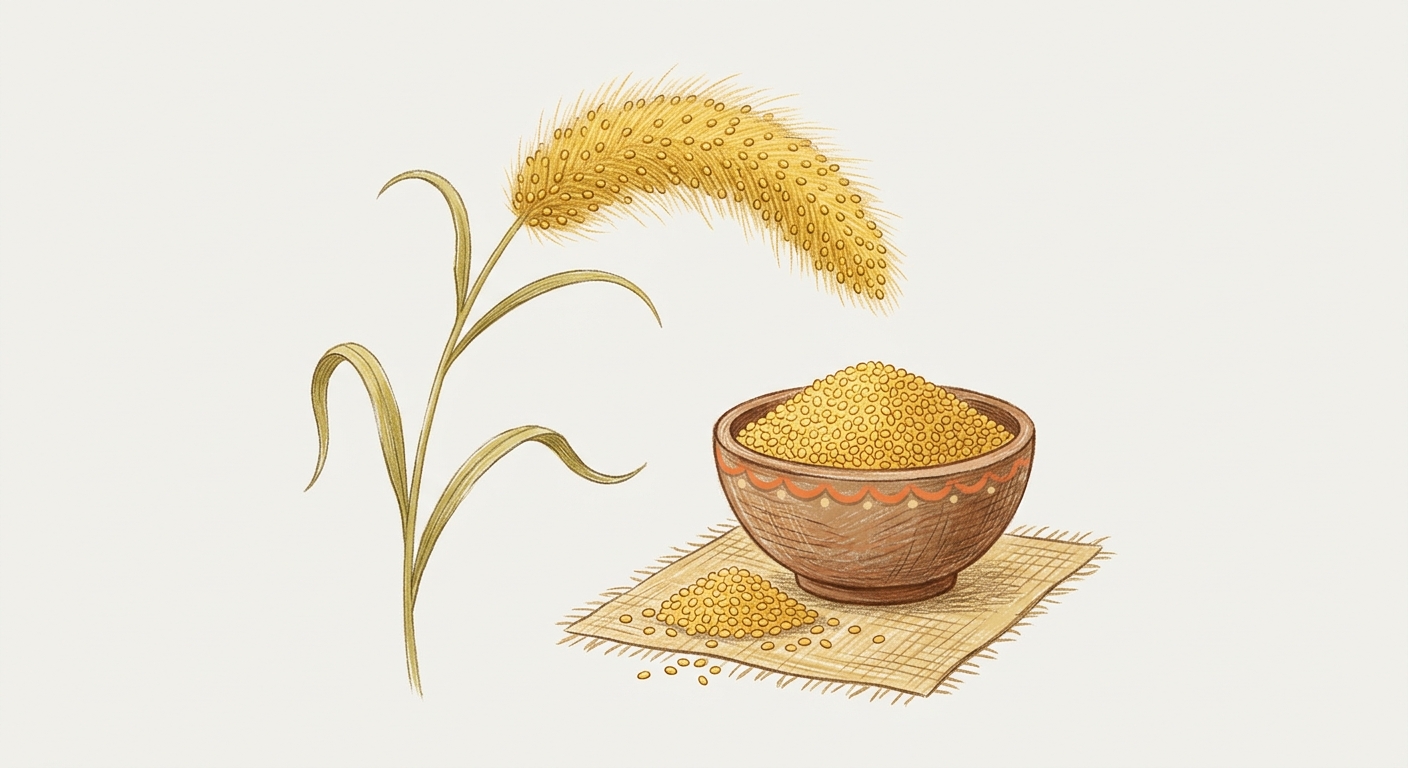
Kangni / Thinai
Foxtail Millet
One of the oldest cultivated millets, small golden grains for pongal, upma and rice-style cooking.
Know this food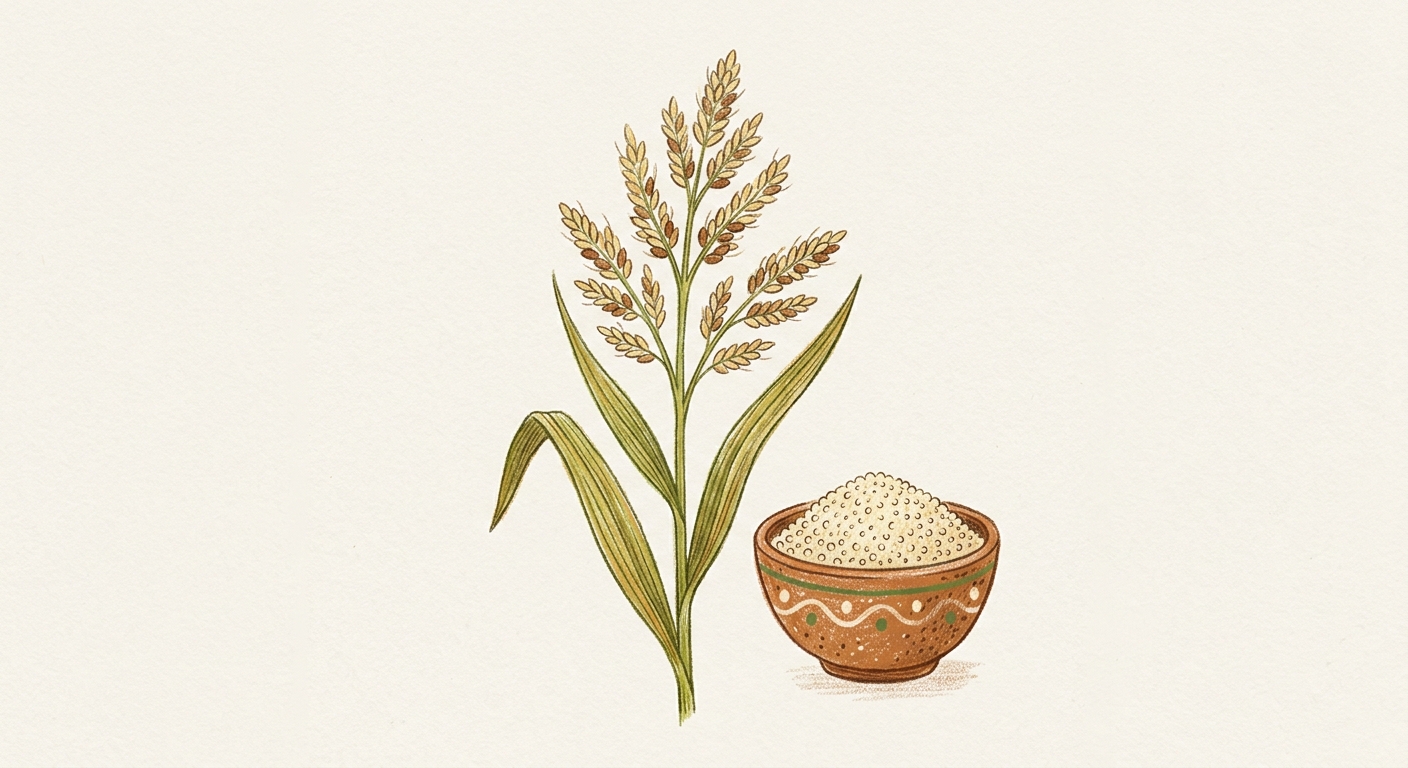
Sanwa / Samak
Barnyard Millet
The fasting grain, bhagar and samak khichdi belong to this millet.
Know this food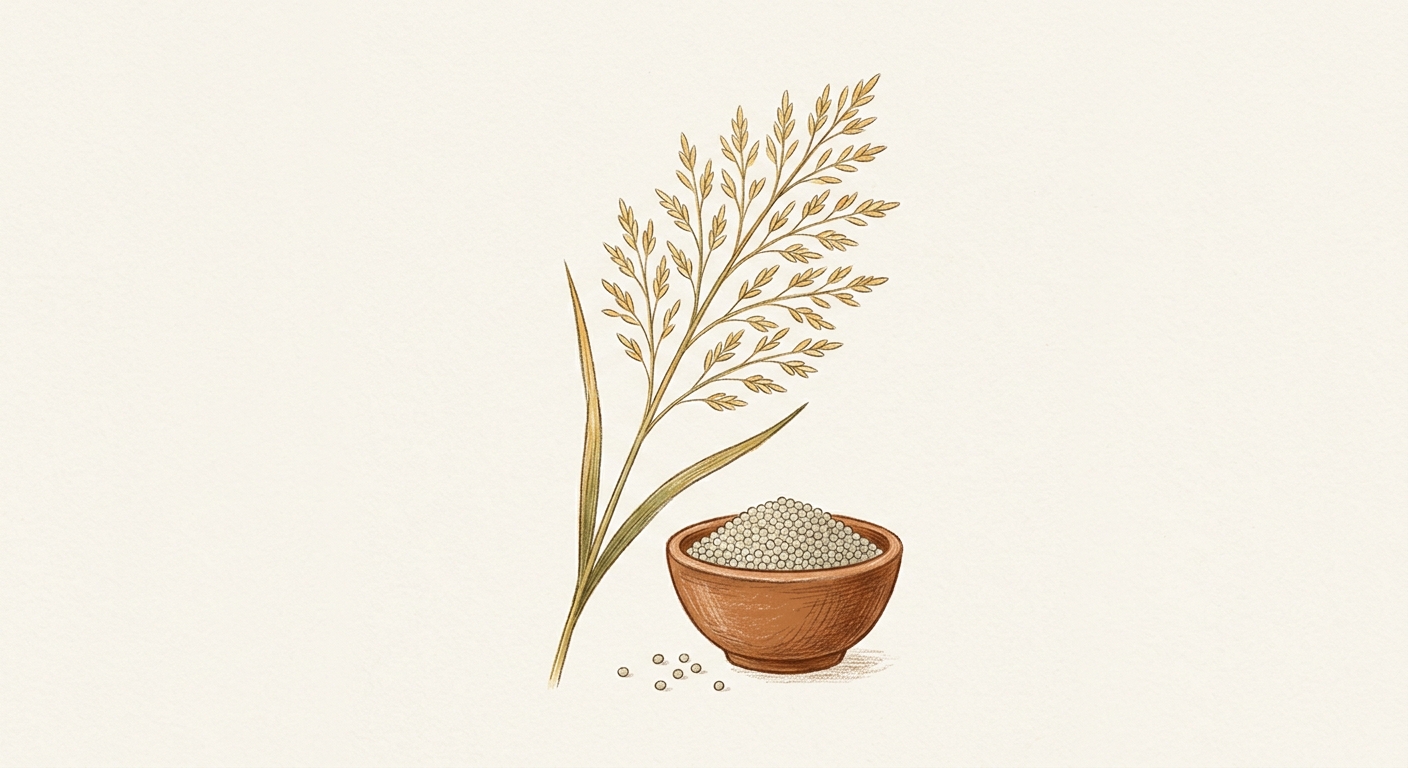
Kutki / Samai
Little Millet
Small name, quiet workhorse, samai upma and pongal are made from this grain.
Know this food