
Foods / Indigenous Foods
Indigenous Foods of India
The short answer
'Indigenous food' is a powerful phrase and an easy one to abuse. We use it carefully: for foods tied to specific communities, regions and ecosystems, including forest-linked and tribal food traditions, and only with documentation. A food is not 'tribal' because it looks rustic, and a community story is not marketing material.
Last reviewed:
What do we mean by indigenous foods?
Foods native to or long-embedded in a particular place and its communities: local millets, forest produce such as mahua or wild greens where documented, regional rice and pulse varieties, and the preparations built around them.
Traditional and community food knowledge
Much of this knowledge lives with the communities themselves, not in books. When we reference community practice, we name the community and region precisely where documentation supports it, and we say 'unverified' when it doesn't.
Forest-linked foods
Forest-linked foods, tubers, greens, flowers, honey, sustain real economies and cuisines. They also attract fairy-tale storytelling. Our rule: no 'ancient tribal secret' framing, ever. Documented use, or nothing.
How we verify food stories
Tier 1: the community's own documented accounts. Tier 2: government and institutional plant research records. Tier 3: peer-reviewed research. A claim that can't reach any of these tiers does not go on the site.
Food, identity and context
A community's food is part of its identity, which is exactly why it deserves precision. Naming the community and region when documentation supports it, saying 'unverified' when it doesn't, and never wrapping a food in a costume of generic 'tribal' imagery, these are not courtesies. They are the difference between documentation and extraction.
When we eventually publish community-linked foods, the community's own account comes first in the source list, and contributors choose whether and how they are credited.
Frequently asked questions
What do we mean by indigenous foods?+
Foods tied to specific places, communities and ecosystems in India, with documented use, as distinct from simply 'old' or 'uncommon' foods.
Are 'tribal foods' and 'indigenous foods' the same?+
They overlap but are not identical. 'Tribal' refers to specific Scheduled Tribe communities and should only be used when a food's association with such a community is documented. We never use it as an aesthetic.
How do we verify community and regional claims?+
Against community sources, institutional records and peer-reviewed plant research, in that order, and we publish the verification status next to the claim.
Start with the millets
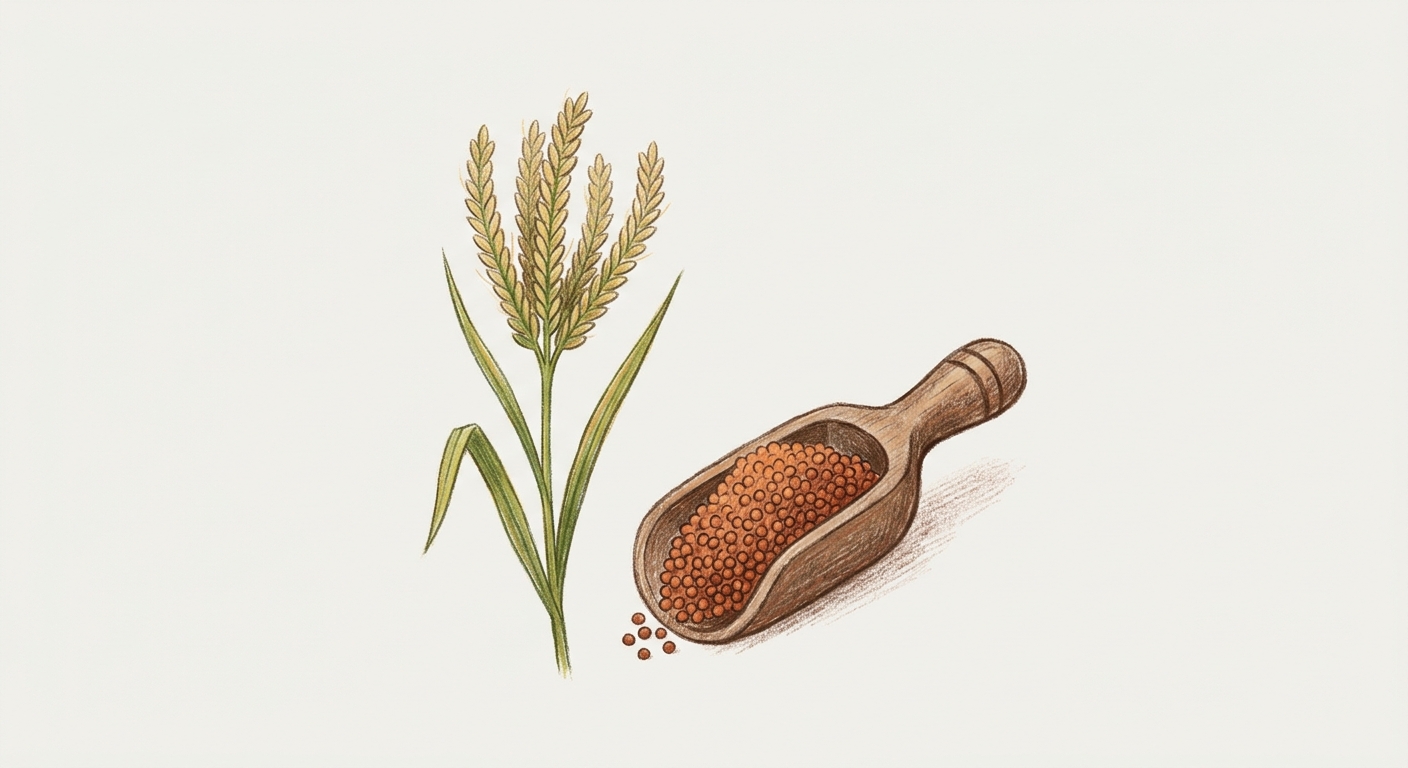
Finger millet
Ragi
The small deep-red grain behind ragi mudde, malt and bhakri.
Know this food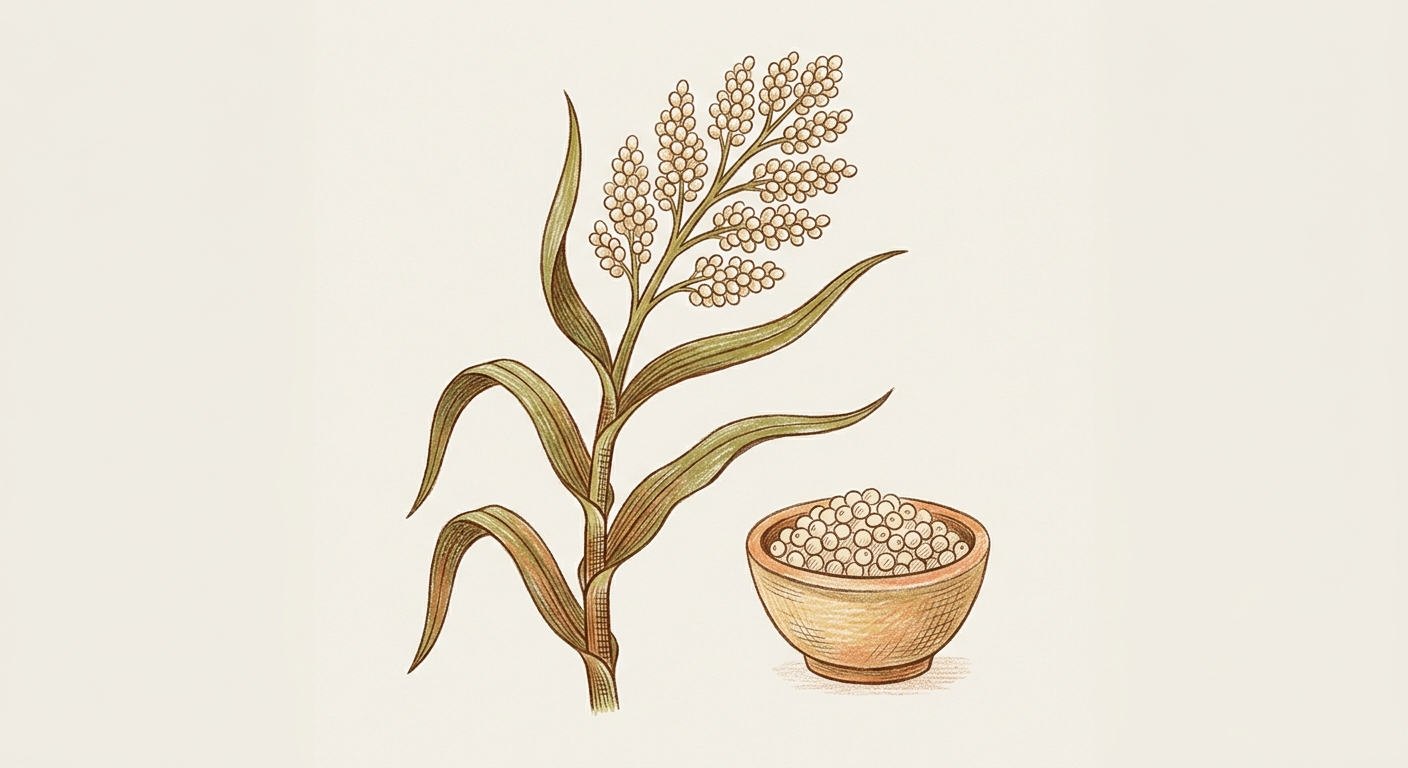
Sorghum / great millet
Jowar
The drought-hardy grain of bhakri country, Maharashtra, Karnataka and the Deccan.
Know this food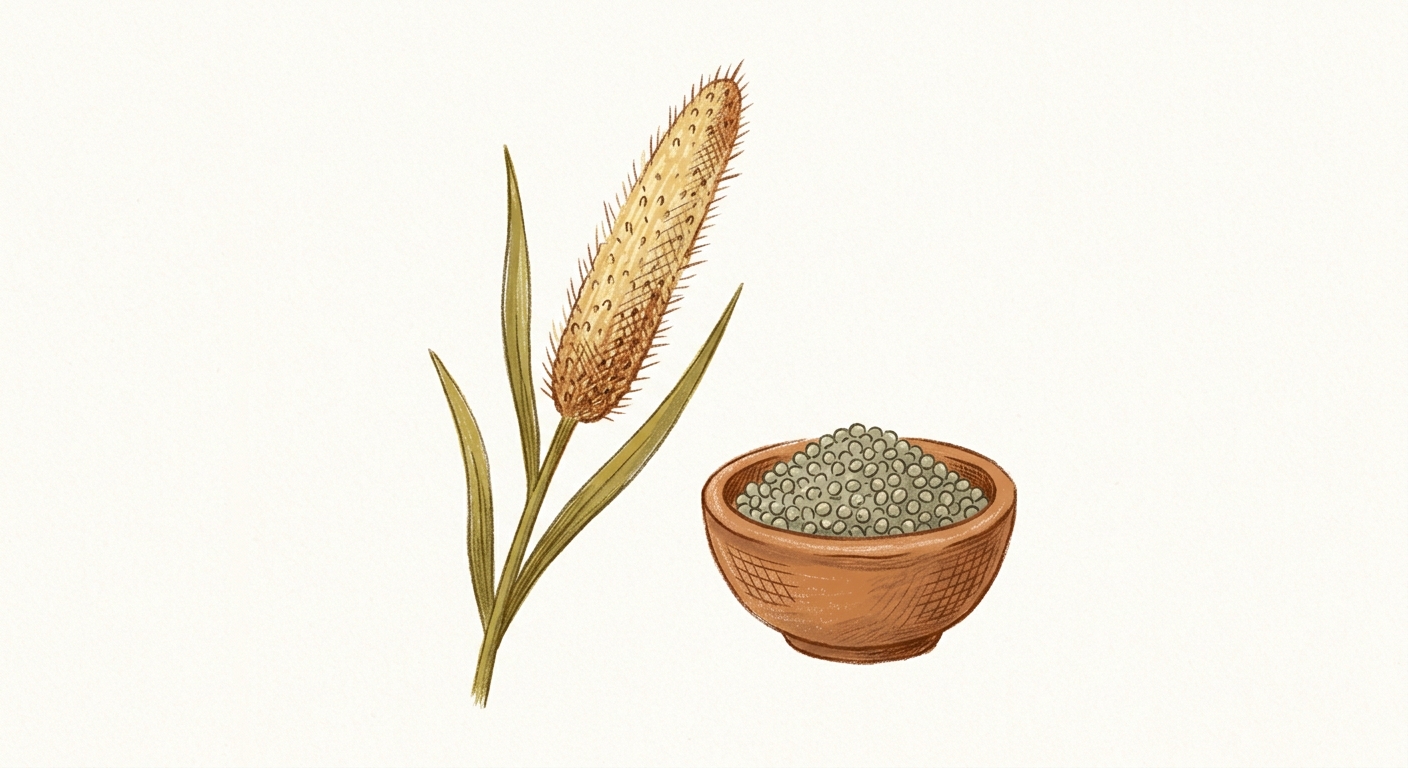
Pearl millet
Bajra
The hearty winter grain of Rajasthan, Gujarat and Haryana.
Know this food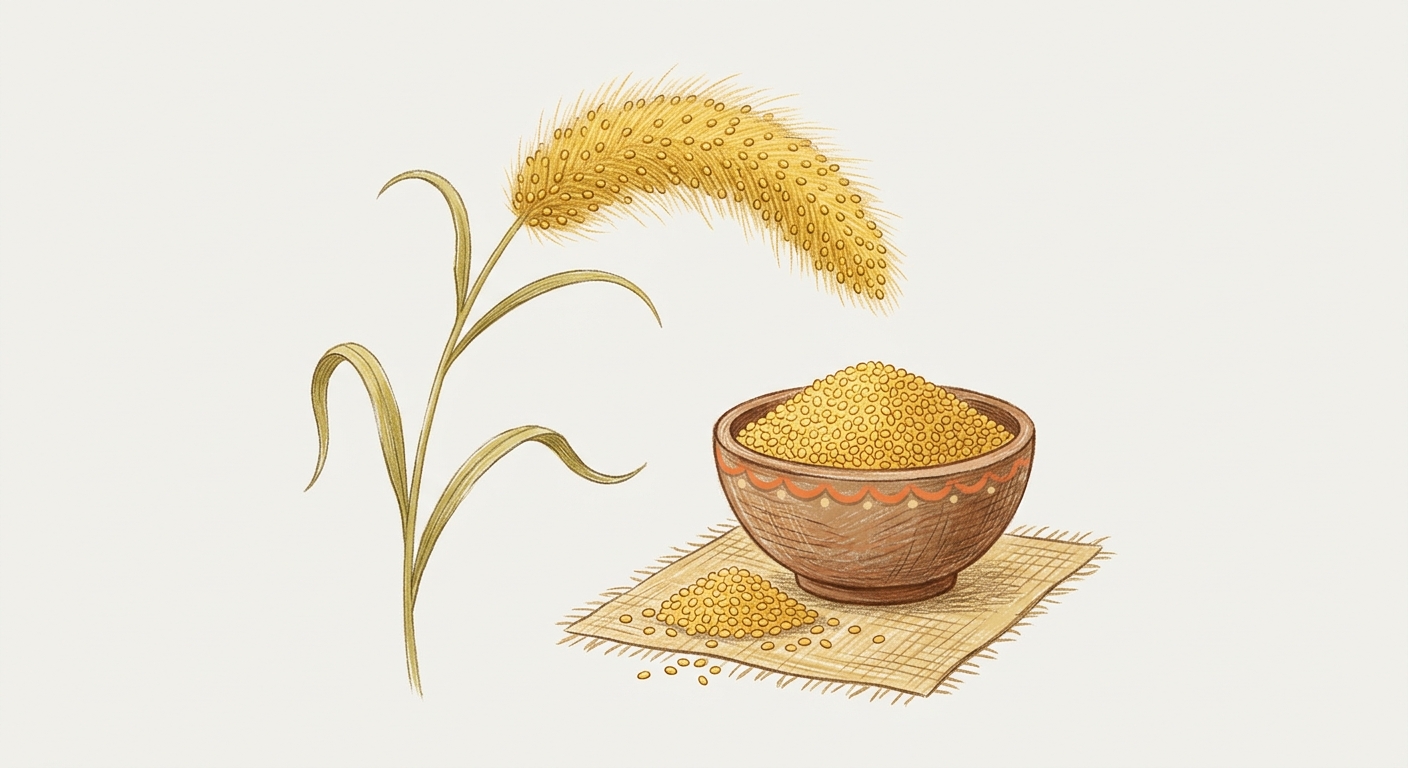
Kangni / Thinai
Foxtail Millet
One of the oldest cultivated millets, small golden grains for pongal, upma and rice-style cooking.
Know this food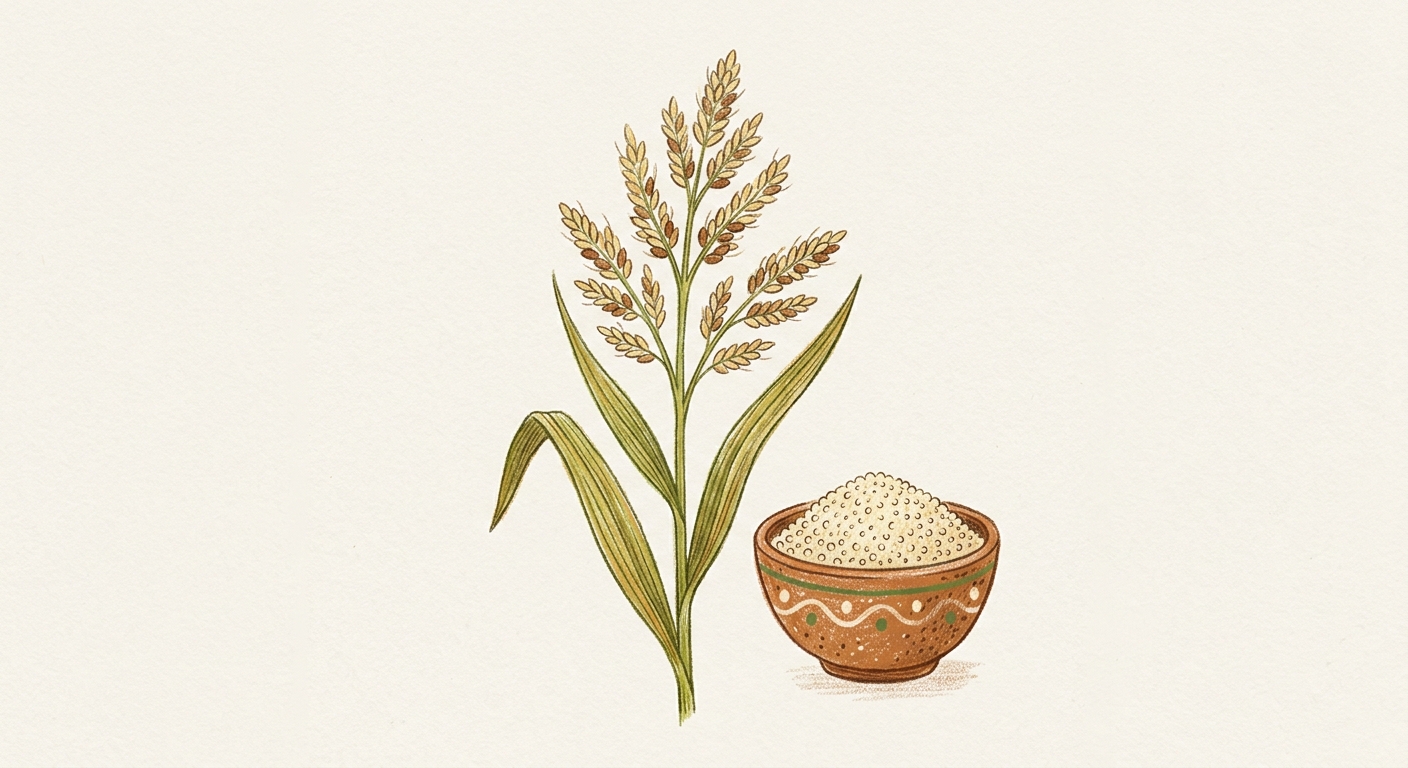
Sanwa / Samak
Barnyard Millet
The fasting grain, bhagar and samak khichdi belong to this millet.
Know this food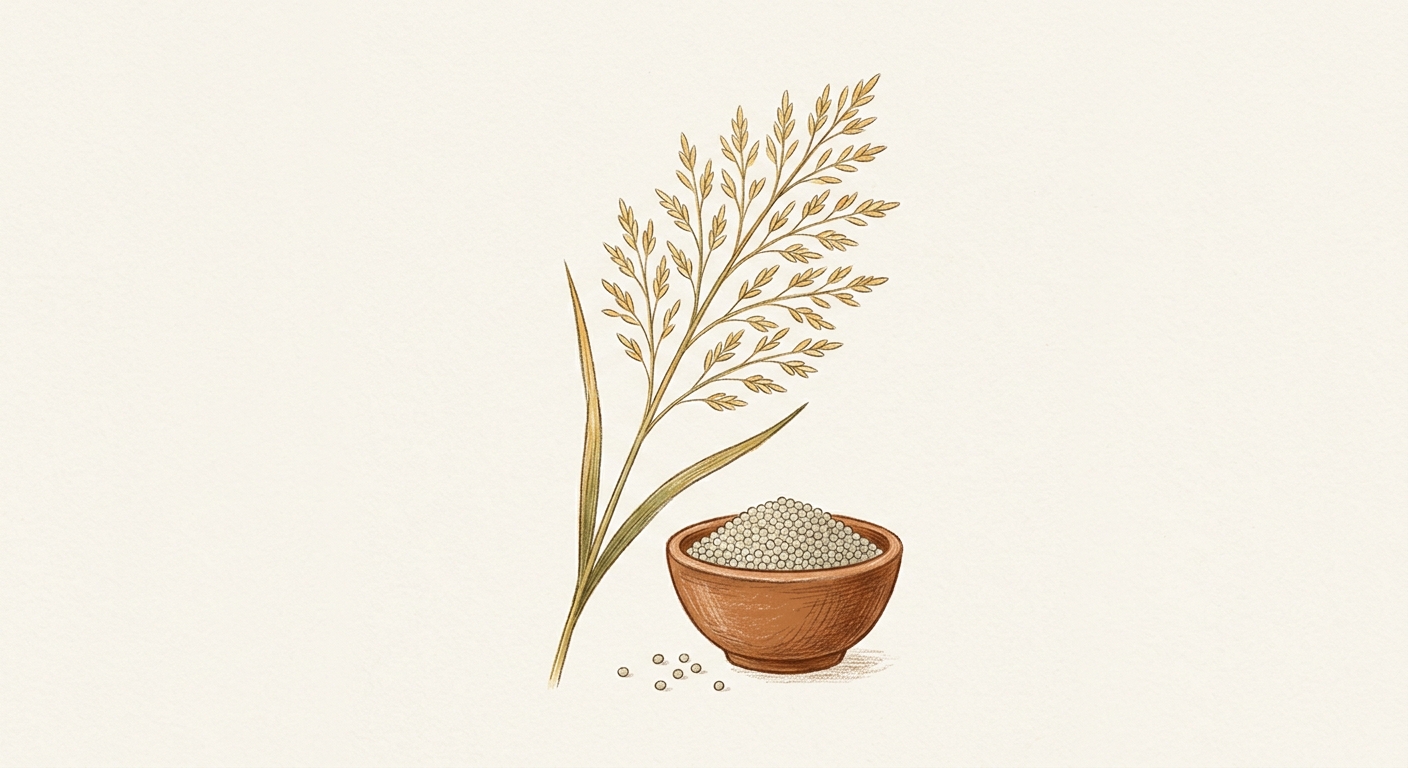
Kutki / Samai
Little Millet
Small name, quiet workhorse, samai upma and pongal are made from this grain.
Know this food