Foods / Healthy Snacks
Snacks, With Nothing Important Hidden
The short answer
A snack is not made honest by the word 'healthy' on its pack. It is made honest by a short, readable ingredient list, a truthful nutrition panel and processing you can explain in one sentence. That is the standard every Pure Platter snack is held to, and the standard we suggest you hold every other snack to as well.
Last reviewed:
Explore our snacks
Snack listings go live only when their full label data is final. These demonstrations show the standard every snack will be held to.
Pure Platter Ragi Flour
Stone-milled finger millet flour. Sample listing, awaiting verified label data.
Pure Platter Multi-Millet Snack Mix
Roasted millet snack concept. Sample listing, awaiting verified label data.
What makes a snack?
For us: recognisable ingredients, named in order of quantity; a cooking method we state plainly (roasted or baked or fried, no soft words); and nutrition per serving that matches the serving a person actually eats.
Ingredients matter
The front of a pack is marketing; the ingredient list is the product. 'Made with millets' can mean 60% millet or 6%. We publish exact compositions on every product page, and we think you should ask every brand for the same.
Nutrition, clearly explained
Our panels show per-100 g and per-real-serving values, with sodium, sugar and fat in plain numbers. No 'goodness of 12 grains' arithmetic.
Find a snack for your occasion
For the four o'clock slump, you want crunch, salt moderation and something that survives a desk drawer, roasted millet mixes fit. For travel, dry roasted grains and chikki-style bars survive the journey. For children, the honest goal is a short ingredient list and a portion that matches the child, not a big health promise.
Whatever the occasion, the test is the same: read the back of the pack, not the front.
Our snack standard, in writing
Every Pure Platter snack will publish: the full ingredient list in quantity order; the cooking method named plainly, roasted, baked or fried, no soft words; nutrition per 100 g and per the serving a person actually eats; allergens in plain language; and the manufacturer's name. A snack that can't meet that standard doesn't get made.
Frequently asked questions
Are millet snacks automatically healthy?+
No. A deep-fried, heavily salted millet chip is still deep-fried and heavily salted. The grain is one input; the recipe and the processing decide the rest. Read the label, ours included.
Are baked snacks automatically healthier?+
Baking usually means less added fat than frying, but 'baked' says nothing about sodium, sugar or portion size. It is one fact, not a verdict.
What should you look for on a packaged snack label?+
The ingredient list (short and recognisable is a good sign), the order of ingredients, the nutrition per realistic serving, the sodium and added sugar, and who actually manufactures it.
Start with the millets
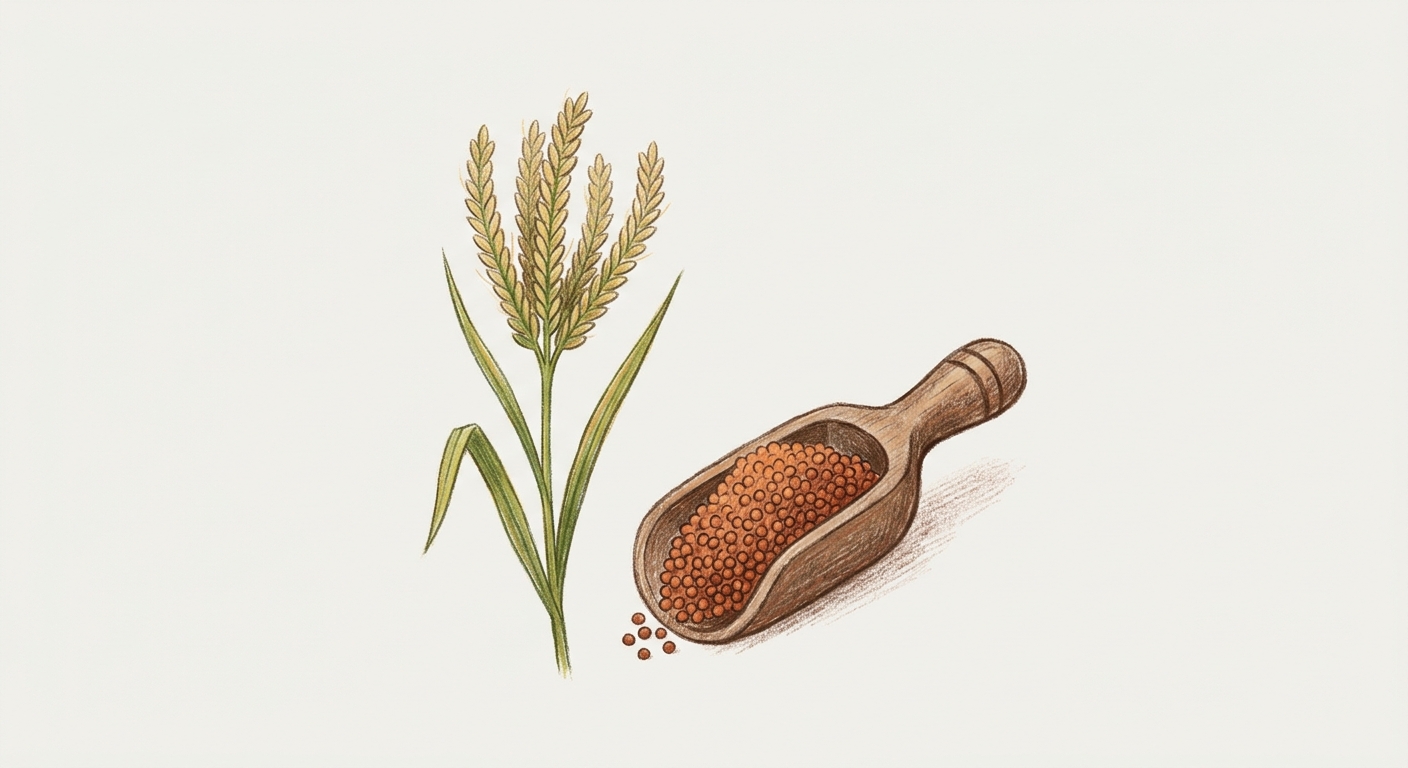
Finger millet
Ragi
The small deep-red grain behind ragi mudde, malt and bhakri.
Know this food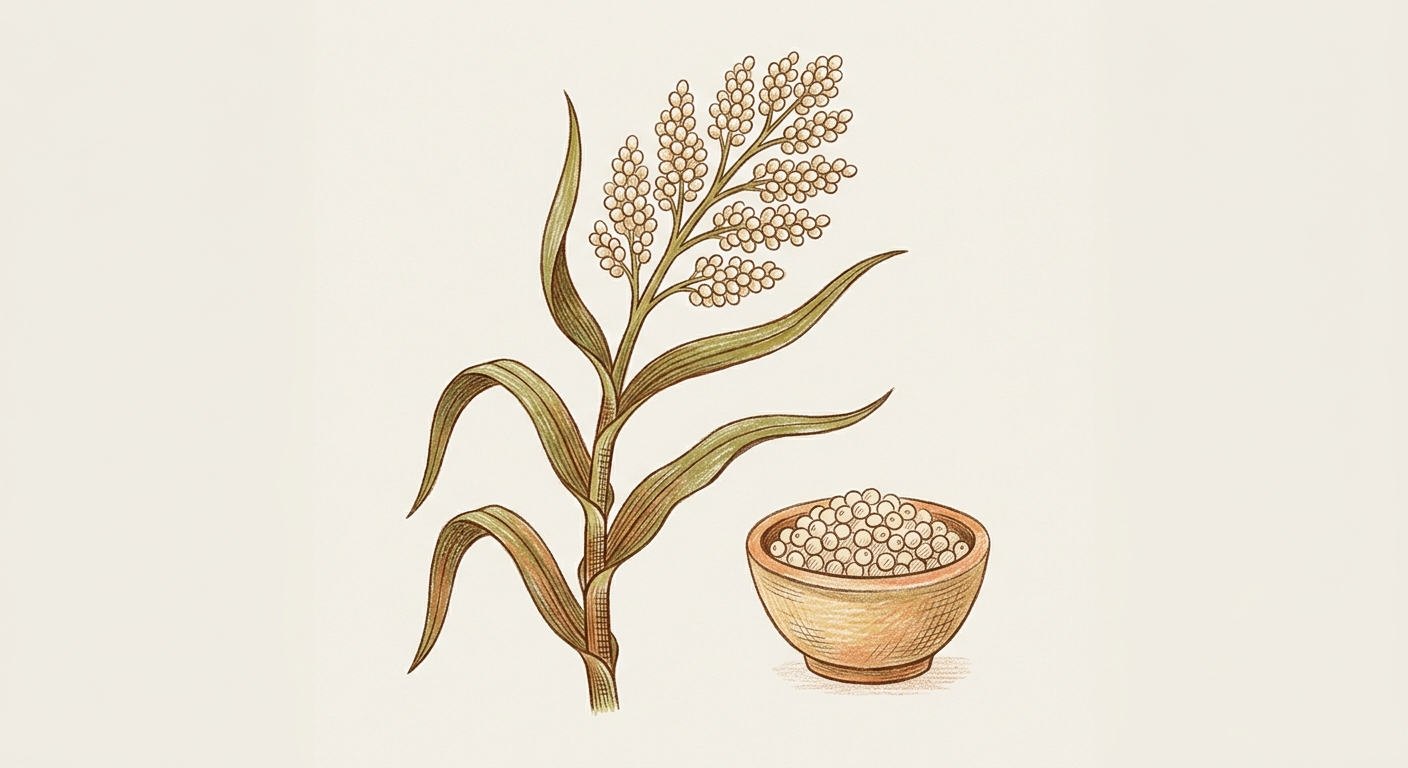
Sorghum / great millet
Jowar
The drought-hardy grain of bhakri country, Maharashtra, Karnataka and the Deccan.
Know this food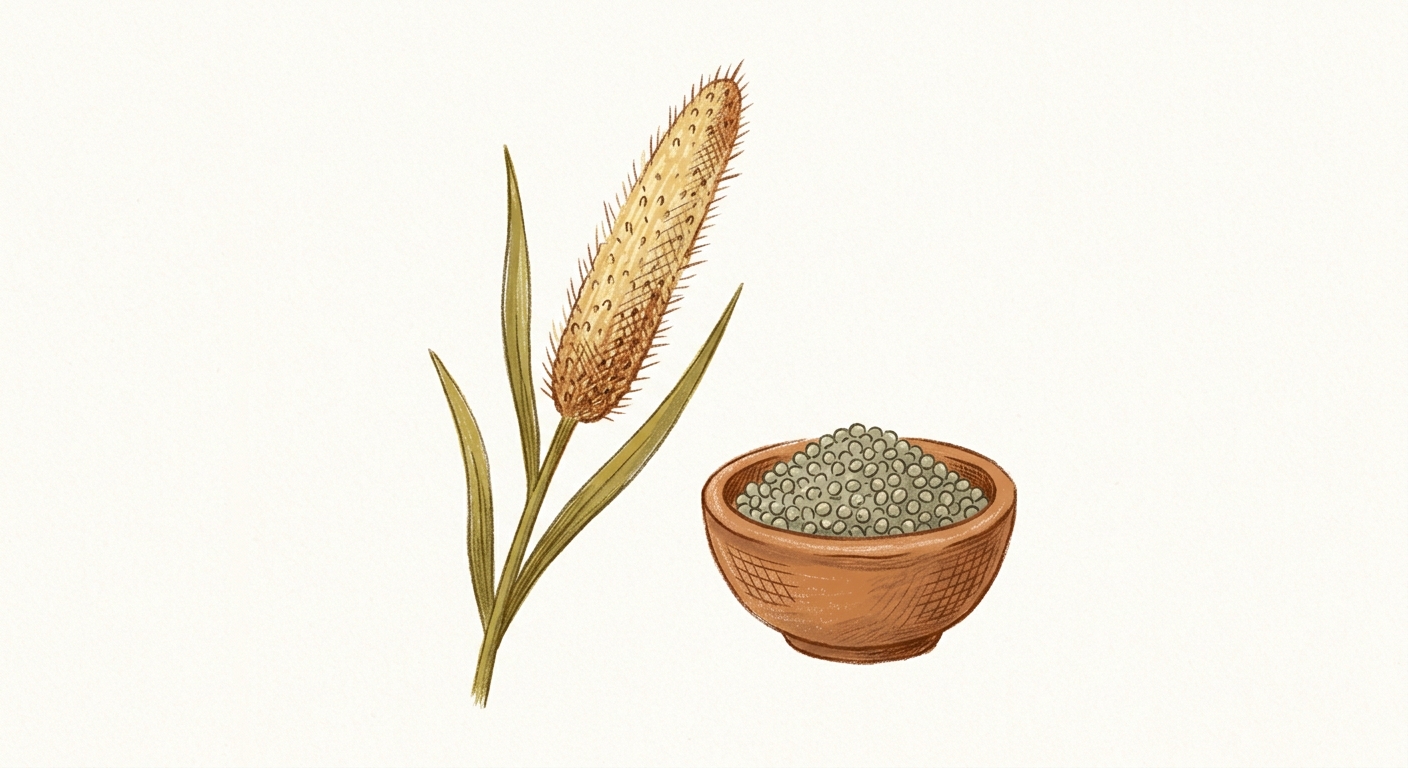
Pearl millet
Bajra
The hearty winter grain of Rajasthan, Gujarat and Haryana.
Know this food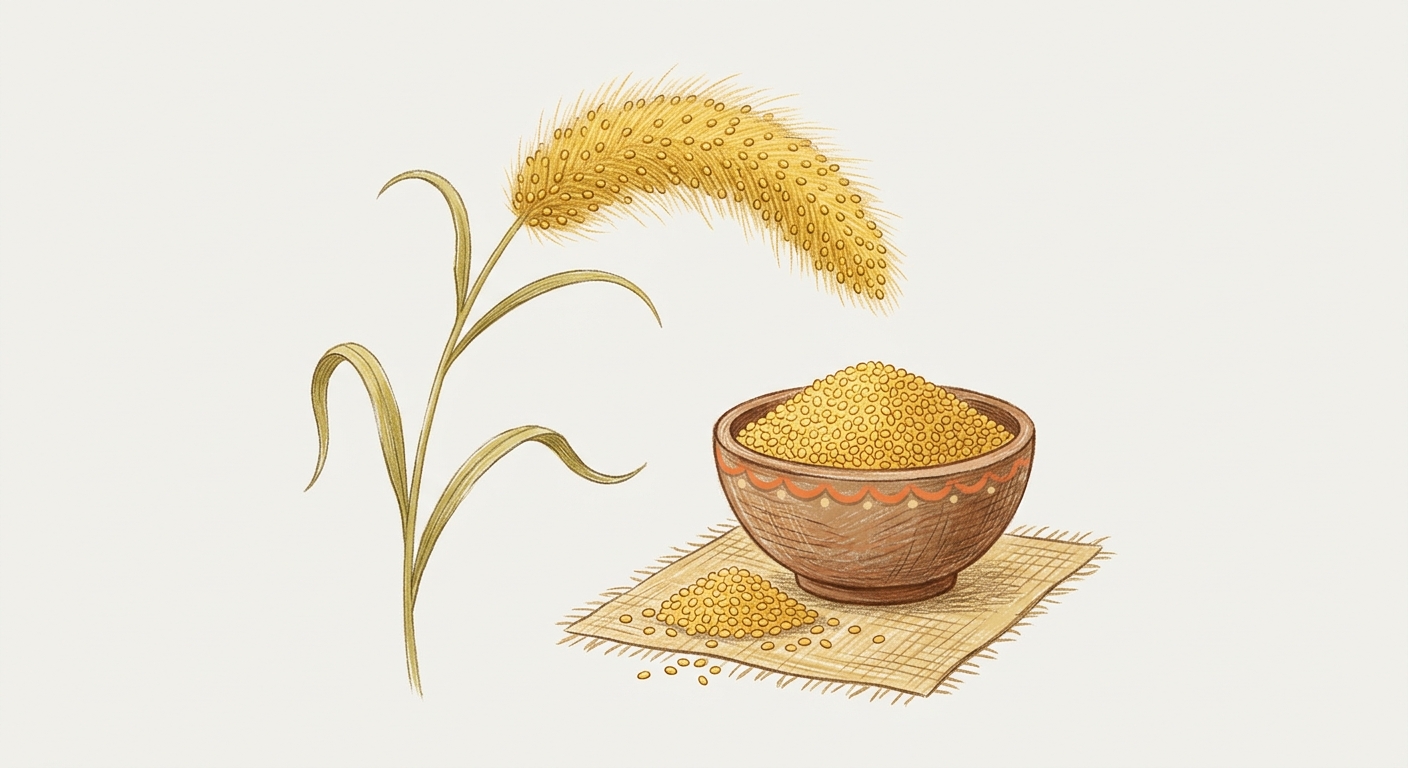
Kangni / Thinai
Foxtail Millet
One of the oldest cultivated millets, small golden grains for pongal, upma and rice-style cooking.
Know this food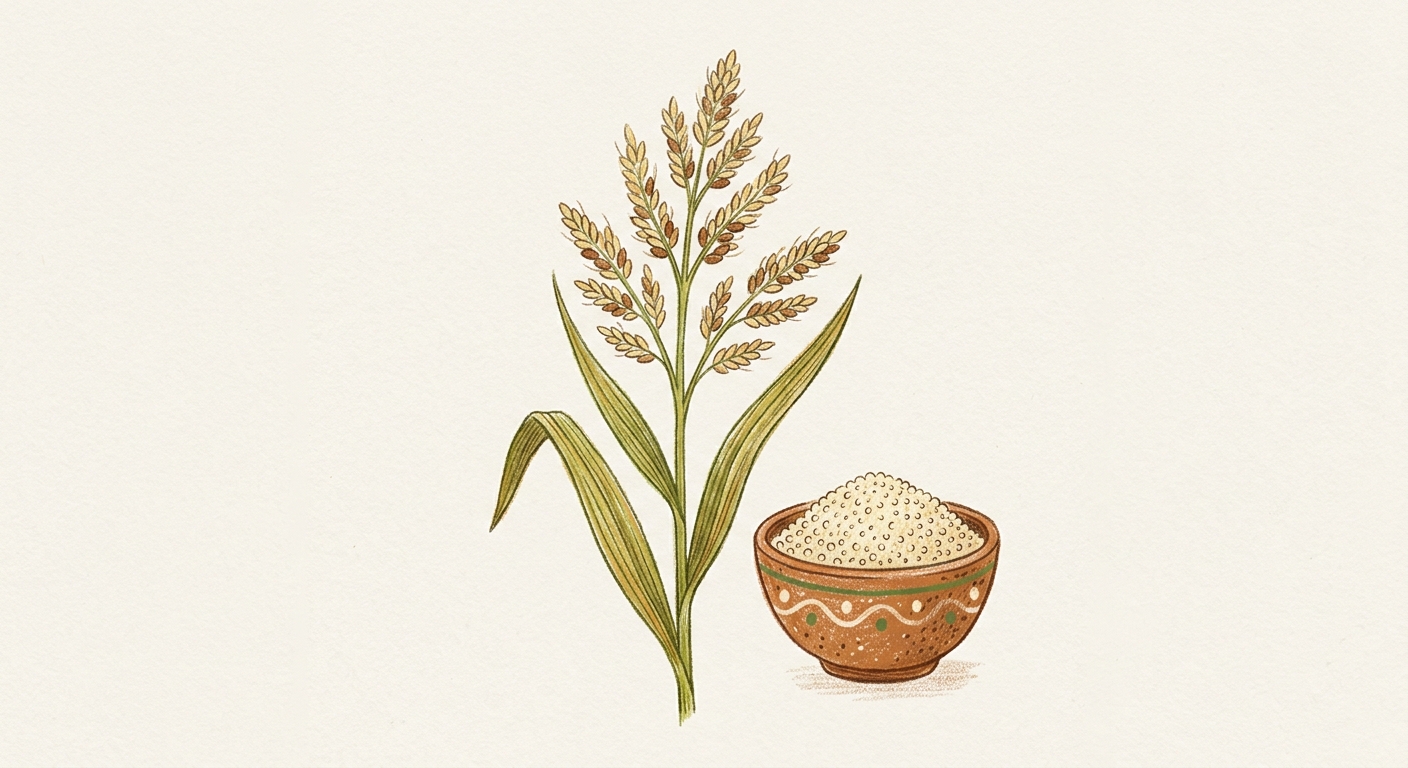
Sanwa / Samak
Barnyard Millet
The fasting grain, bhagar and samak khichdi belong to this millet.
Know this food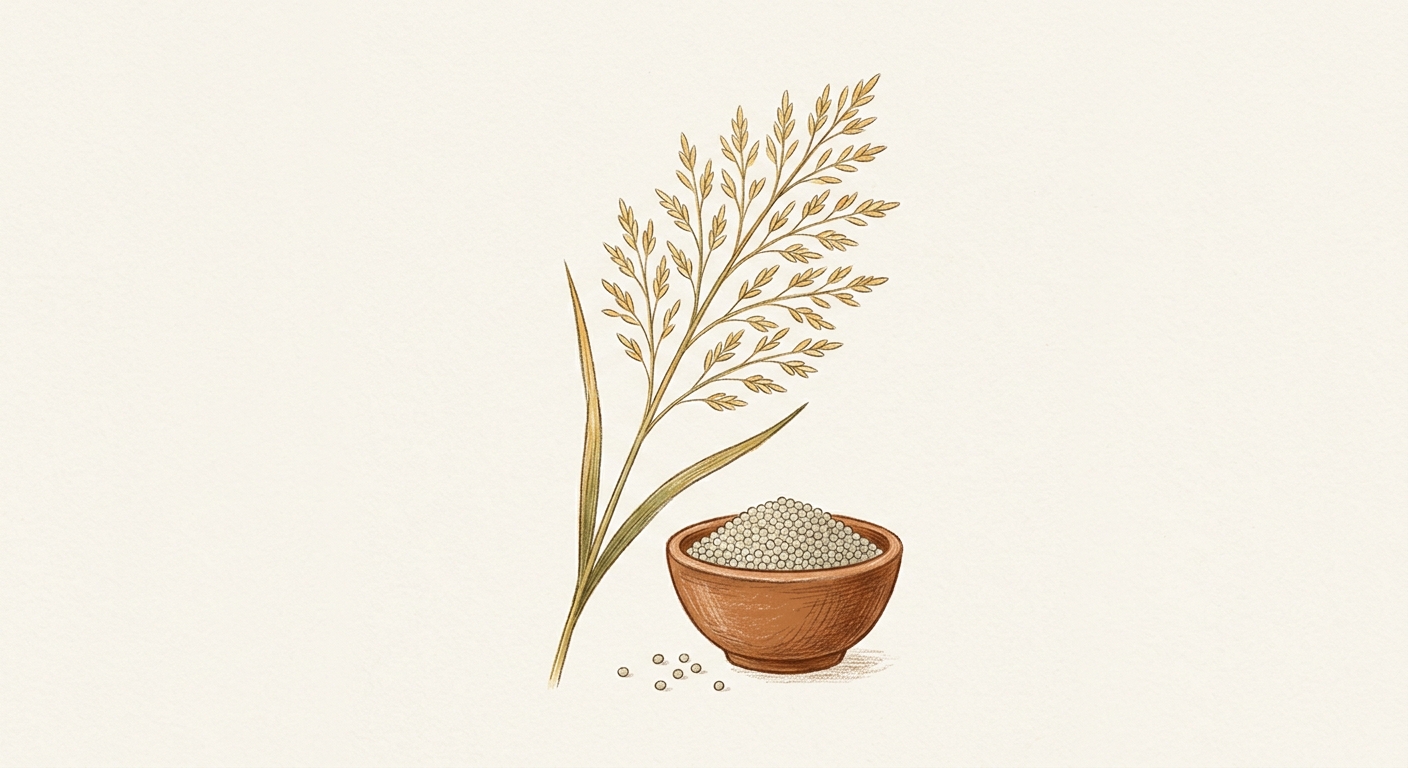
Kutki / Samai
Little Millet
Small name, quiet workhorse, samai upma and pongal are made from this grain.
Know this food